Original article: https://www.propertyinsurancecoveragelaw.com/2023/05/articles/insurance/what-were-the-causes-of-the-marshall-fire/
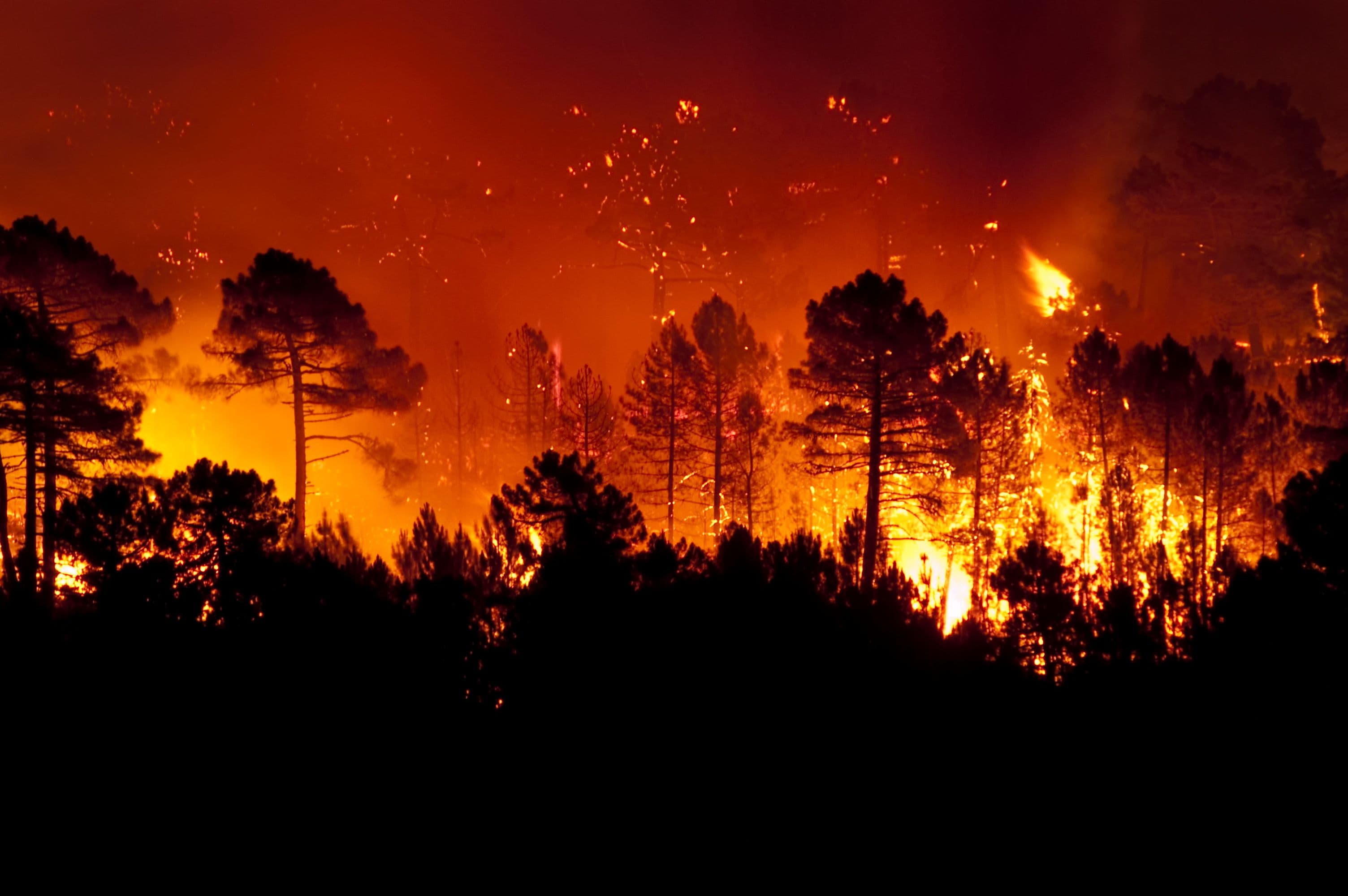
Sunday evening in Boulder, Colorado, was very enlightening and educational. I intently focused on a presentation by my co-counsel Dan Whalen and his stellar and experienced fire recovery team from Engstrom, Lipscomb & Lack. They discussed the science and law applicable to the Marshall Fire and legal actions holding against utilities responsible for contributing to wildfires.
Power lines are a major cause of wildfires. An article published by Texas A&M, How Do Power Lines Cause Wildfires?, notes that just in Texas, “power lines have caused more than 4,000 wildfires…in the past three and a half years.” Regarding line slaps, the article stated:
“Conductor Slap – Power lines are designed with sufficient clearance between conductors to keep them from contacting each other under most operating conditions. Certain unusual circumstances, however, can cause line conductors to slap together. Conductor slap creates high-energy arcing and ejects hot metal particles capable of igniting ground-level combustibles. In addition, where line conductors are made of aluminum, the ejected particles may burn as they fall.”
“In conjunction with line monitoring efforts at multiple utility companies, TEES has documented multiple instances of a phenomenon known as fault-induced conductor slap (FICS). FICS occurs when a fault at one location on a circuit creates sufficient magnetic forces to cause line conductors at another location, perhaps a mile or more away, to swing together and cause a second, near-simultaneous fault. Conventional tools and processes available to utility companies often do not enable correct diagnosis of this phenomenon. By contrast, TEES technology detects and reports FICS, enabling corrective action. Correct diagnosis is important because field research shows that a line span that experiences one episode of FICS likely will experience additional episodes in the future, unless the condition is identified and corrected. Detecting an episode of FICS, perhaps during a period of modest fire risk, enables corrective action that eliminates subsequent episodes, which otherwise might have occurred at times of high risk.”
One thing is for certain—there is photographic and video evidence of a line slap occurring approximately when the Marshall Fire started.
So why is Merlin Law Group teaming up with Dan Whalen and his team to represent victims of the Marshall Fire? Most victims of the fire have not been fully compensated by insurance. Destroyed homes and businesses damaged by the fire were usually far underinsured. Further, all policies have sub-limits to coverages and do not pay for many economic damages.
I have known Dan Whalen for over a decade. One key aspect of Whalen’s approach is his ability to work collaboratively and creatively with a team. His multi-disciplinary approach combines legal, scientific, and technical expertise, bolstering the strength of his fire recovery cases and ensuring no detail is overlooked. Whalen’s strategies, fortified by facts, have allowed him to cut through many corporate deflection tactics by utilities and reach the core of each case. His team has successfully worked on over 100 wildfire cases involving utilities.
So, when Dan asked me if my team would join his to help those suffering from the Marshall Fire, I felt honored that he asked us to do so. Merlin Law Group’s work is primarily limited to insurance disputes. However, the truth is that a lot of our Marshall Fire clients also have uninsured damages. Taking on this cause will help them and their community.
I will be writing much more about the Marshall Fire and the role utilities have played in starting wildfires. If you have questions, you can call me at 813.695.8733.
you might also like
Burned Twice: Insurance Collusion Is Compounding the Wildfire Crisis
After the January 2025 Los Angeles wildfires, survivors faced a second crisis: canceled policies, rising premiums, and rebuilding obstacles. This article explores whether insurers’ synchronized pullbacks and shared risk tools could amount to unlawful collusion under California and federal law.
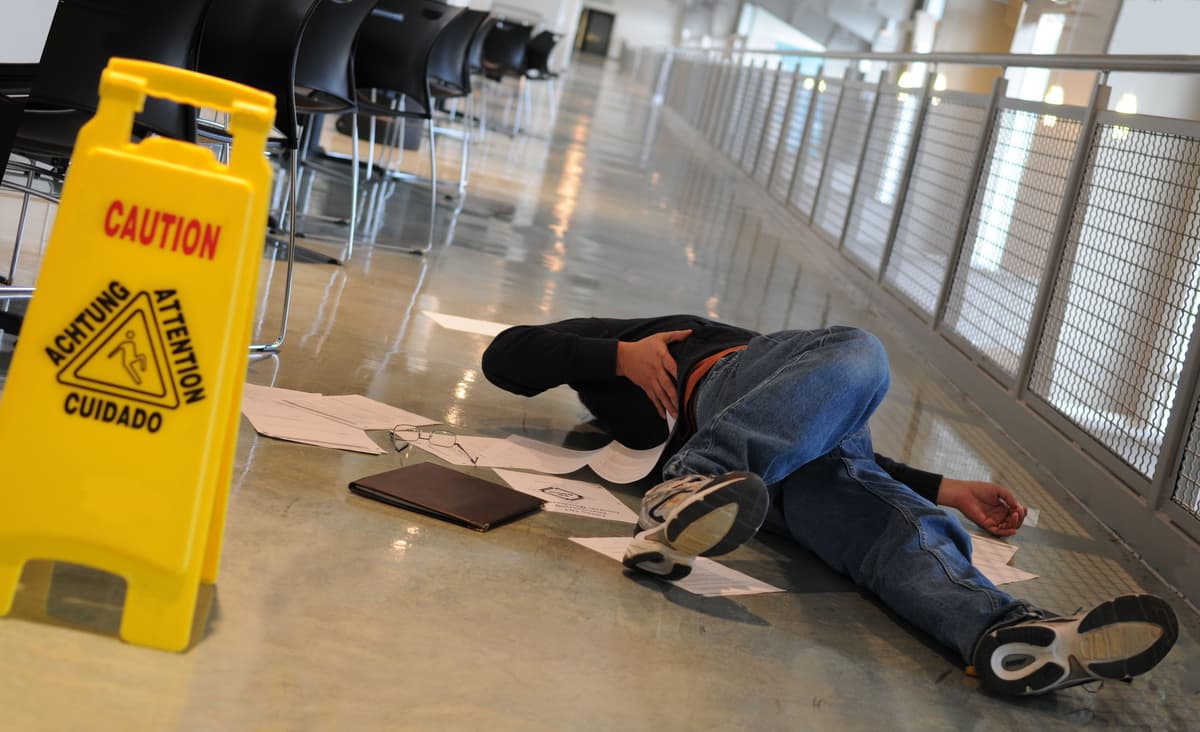
Slip and Fall Injuries in Los Angeles: How Negligence Is Proven in Premises Liability Cases
Slip and fall injuries are often treated like minor accidents, but many are caused by preventable hazards. Understanding how California premises liability law works—and what it takes to prove negligence—can help injured victims protect their health, finances, and legal rights.

Concussion Symptoms After an Accident: Why Head Injuries Should Never Be Ignored
Concussions are often misunderstood as minor injuries, but the truth is that symptoms can appear gradually and worsen over time. Understanding how concussion injuries work, why documentation matters, and how California personal injury claims address head trauma can help victims protect their health and their rights.
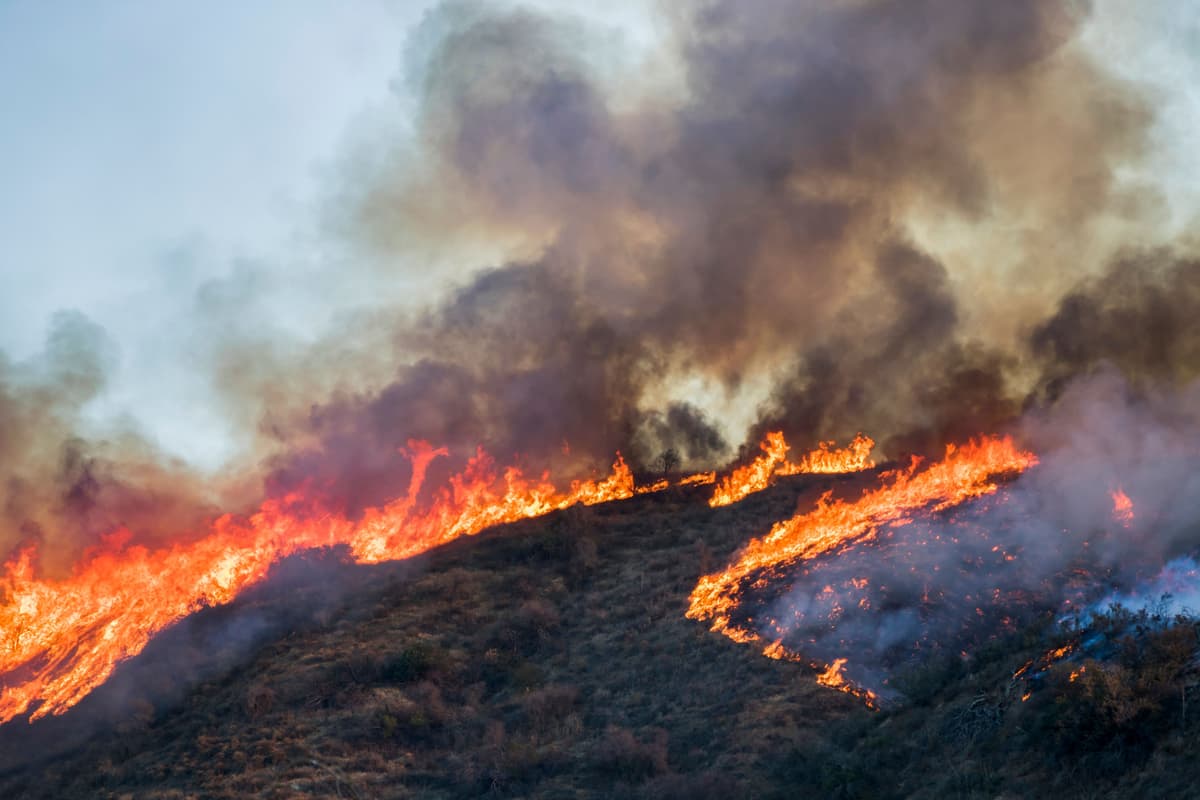
The Woolsey Fire: Understanding Legal Accountability After a Devastating Wildfire
The Woolsey Fire left a lasting mark on Southern California, destroying homes, displacing families, and reshaping conversations around wildfire responsibility. For victims, understanding legal accountability became a critical part of recovery.
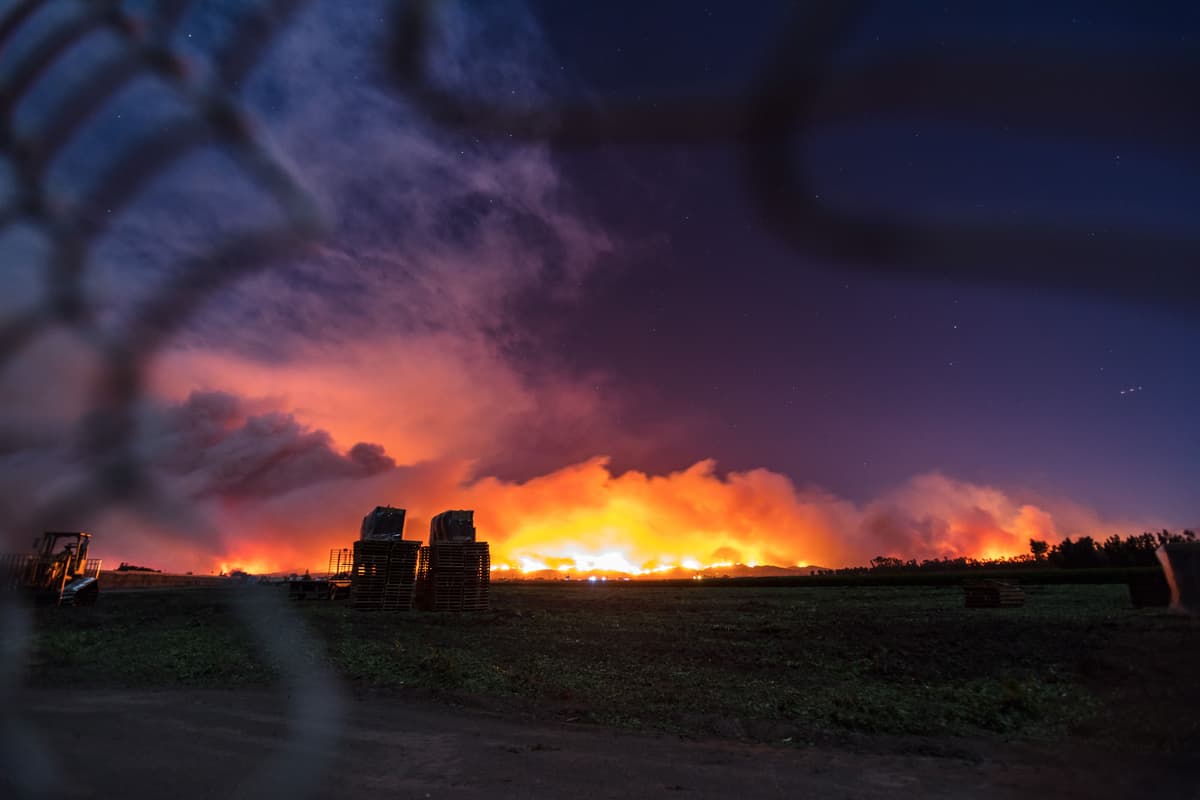
The Thomas Fire: Legal Accountability After a Historic California Wildfire
The Thomas Fire was one of the largest and most destructive wildfires in California history. Beyond the physical devastation, it became a turning point in how wildfire responsibility, liability, and large-scale disaster litigation are addressed.
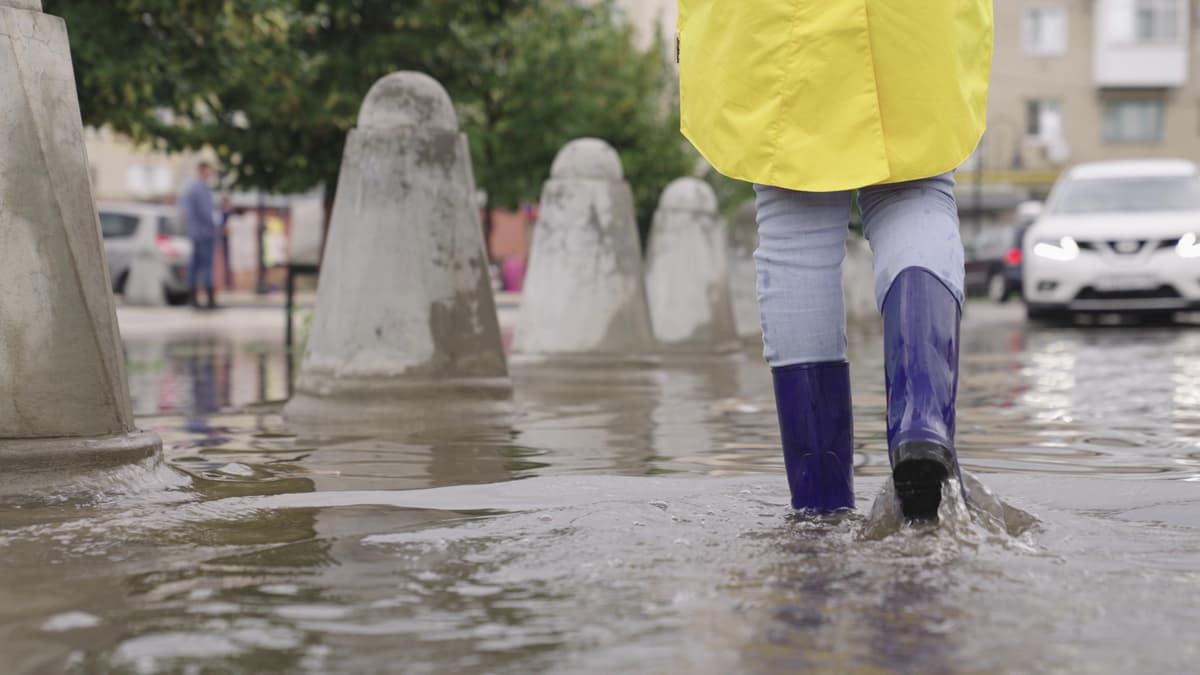
San Diego Floods (2024): When Infrastructure Failure Turns Into a Legal Crisis
The 2024 San Diego floods exposed serious infrastructure failures that left homes and businesses underwater. As recovery began, questions of responsibility and accountability became central for affected communities.