

After an accident, many people focus on what they can see: bruises, cuts, or broken bones. Head injuries often don’t fit that pattern. In fact, one of the most dangerous things about concussions is that they can feel “invisible” at first. Someone might walk away from a car crash, slip and fall, or impact injury thinking they’re okay—only to experience symptoms days later. By that time, people are often confused about whether their symptoms are connected to the accident, and insurance companies may become skeptical.
In Los Angeles, concussion-related injuries are common in personal injury cases. They can happen in motor vehicle accidents, pedestrian collisions, bicycle crashes, workplace incidents, and falls on unsafe property. A concussion is not just a bump on the head; it is a brain injury, and the consequences can reach far beyond the first few days after an accident. Knowing what to look for—and why acting early matters—can be essential to recovery.
What a Concussion Actually Is
A concussion is a type of traumatic brain injury (TBI) caused by a blow or sudden movement that forces the brain to move rapidly inside the skull. This movement can disrupt normal brain function, even without a visible wound or a loss of consciousness.
One of the most common misconceptions is that you must “black out” to have a concussion. That is not true. Many people remain awake and alert after an accident, but still suffer a concussion. This is part of what makes concussions so frequently overlooked: they often do not feel like a typical injury at first.
Why Symptoms Often Show Up Later
Unlike a fracture or a cut, concussion symptoms can develop slowly. The brain may take time to react to trauma, and stress hormones released after an accident can temporarily mask symptoms. People may also be distracted by more obvious injuries, adrenaline, or the emotional shock of the event.
It’s also common for concussion symptoms to come and go. Someone may feel fine in the morning and then develop headaches, dizziness, or confusion in the afternoon. That unpredictability can cause victims to delay medical care, which can complicate both treatment and any future legal claim.
Common Concussion Symptoms to Watch For
Symptoms can vary from person to person, but some signs are especially common. These include persistent headaches, dizziness, nausea, light sensitivity, blurred vision, fatigue, and difficulty concentrating. Many victims report “brain fog”—a feeling that thoughts are slow or unclear.
Emotional and behavioral symptoms are also common, such as mood swings, irritability, anxiety, and depression. Sleep disruption is another major warning sign. Some people sleep too much, while others struggle with insomnia and restlessness.
When symptoms persist beyond the initial days or weeks, victims may develop what’s known as post-concussion syndrome. This can involve long-term cognitive issues, memory challenges, and emotional instability that affects work and daily life.
Why Concussions Can Have Serious Long-Term Effects
Although many concussions resolve within a few weeks, not all do. In some cases, symptoms last months or even longer. Even a “mild” concussion can affect the brain’s ability to regulate energy, memory, and attention.
For working individuals, these symptoms can be disruptive. A person may struggle to focus on tasks, remember details, or handle stress in ways they could before. For students, headaches and concentration issues can affect school performance. For anyone, the emotional effects—especially anxiety and irritability—can strain relationships and quality of life.
These long-term impacts are why concussion injuries are taken seriously in personal injury law. A concussion may not look dramatic from the outside, but its consequences are very real.
Why Medical Documentation Matters in Personal Injury Claims
From a legal standpoint, documentation is everything. Insurance companies often question concussions because they cannot always be proven with a simple X-ray. Instead, diagnoses often rely on neurological evaluations, symptom tracking, and medical assessments.
Victims who delay seeking care may face challenges later. Insurers might argue that the symptoms were unrelated to the accident or that the injury was not serious enough to require treatment. Early evaluation by a medical professional can create a direct link between the accident and the symptoms.
Documentation can include ER visits, urgent care evaluations, follow-up neurology appointments, imaging results, and therapy records. This paper trail matters because it demonstrates that symptoms were real, consistent, and connected to the accident.
How California Personal Injury Claims Address Concussions
In California, concussion injuries may be compensable if they were caused by another party’s negligence. This often applies in motor vehicle accidents involving distracted or reckless drivers, slip and fall accidents caused by unsafe property conditions, or other incidents where someone failed to act responsibly.
Compensation may include medical bills, ongoing treatment, physical therapy, cognitive therapy, and future care needs. Victims may also recover lost wages if they missed work due to symptoms or required rest and rehabilitation. When a concussion causes long-term impairment, the claim may also include reduced earning capacity.
Non-economic damages are also relevant. Concussions can cause pain, emotional distress, and loss of enjoyment of life. These impacts are often significant, particularly when symptoms persist and disrupt everyday routines.
Why Insurance Companies Often Minimize Head Injuries
Insurance companies often treat concussion injuries with skepticism. Because symptoms are subjective and can fluctuate, insurers may argue that the victim is exaggerating or that symptoms were pre-existing. They may also attempt to push quick settlements before symptoms fully develop.
This is one reason victims should be cautious about early settlement offers. Once a claim is resolved, additional compensation for later-developing symptoms may not be available. Concussion injuries often require time to fully understand, and legal guidance can help ensure that the claim reflects the true impact.
Moving Forward After a Head Injury
If you experience concussion symptoms after an accident in Los Angeles, you are not alone—and you should not ignore what your body is telling you. Early medical care, clear documentation, and informed decisions can protect both your recovery and your legal rights.
At Ell Law Firm, we understand that head injuries are often misunderstood, underestimated, and improperly handled by insurers. Our goal is to help injury victims pursue accountability and compensation when negligence causes lasting harm.
you might also like
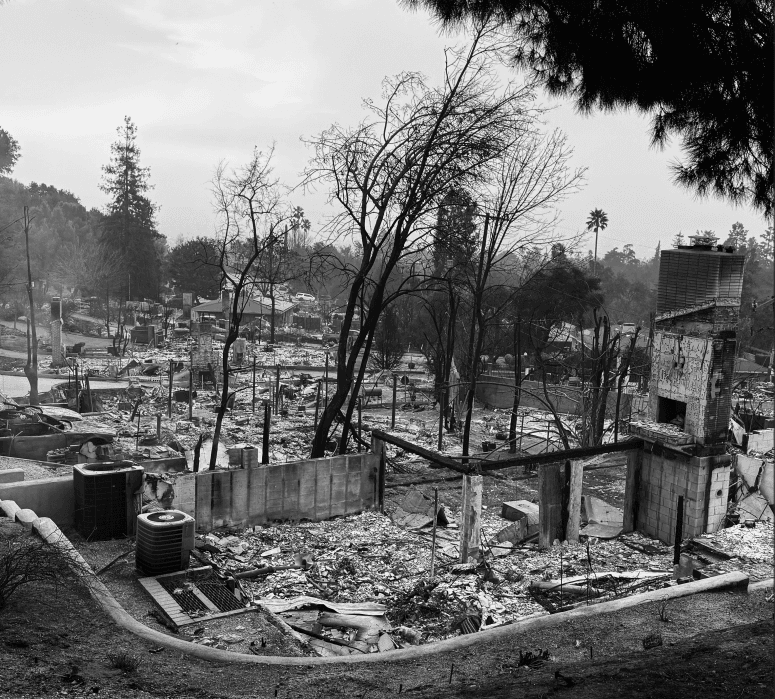
Burned Twice: Insurance Collusion Is Compounding the Wildfire Crisis
After the January 2025 Los Angeles wildfires, survivors faced a second crisis: canceled policies, rising premiums, and rebuilding obstacles. This article explores whether insurers’ synchronized pullbacks and shared risk tools could amount to unlawful collusion under California and federal law.

Slip and Fall Injuries in Los Angeles: How Negligence Is Proven in Premises Liability Cases
Slip and fall injuries are often treated like minor accidents, but many are caused by preventable hazards. Understanding how California premises liability law works—and what it takes to prove negligence—can help injured victims protect their health, finances, and legal rights.

Concussion Symptoms After an Accident: Why Head Injuries Should Never Be Ignored
Concussions are often misunderstood as minor injuries, but the truth is that symptoms can appear gradually and worsen over time. Understanding how concussion injuries work, why documentation matters, and how California personal injury claims address head trauma can help victims protect their health and their rights.

The Woolsey Fire: Understanding Legal Accountability After a Devastating Wildfire
The Woolsey Fire left a lasting mark on Southern California, destroying homes, displacing families, and reshaping conversations around wildfire responsibility. For victims, understanding legal accountability became a critical part of recovery.

The Thomas Fire: Legal Accountability After a Historic California Wildfire
The Thomas Fire was one of the largest and most destructive wildfires in California history. Beyond the physical devastation, it became a turning point in how wildfire responsibility, liability, and large-scale disaster litigation are addressed.

San Diego Floods (2024): When Infrastructure Failure Turns Into a Legal Crisis
The 2024 San Diego floods exposed serious infrastructure failures that left homes and businesses underwater. As recovery began, questions of responsibility and accountability became central for affected communities.