
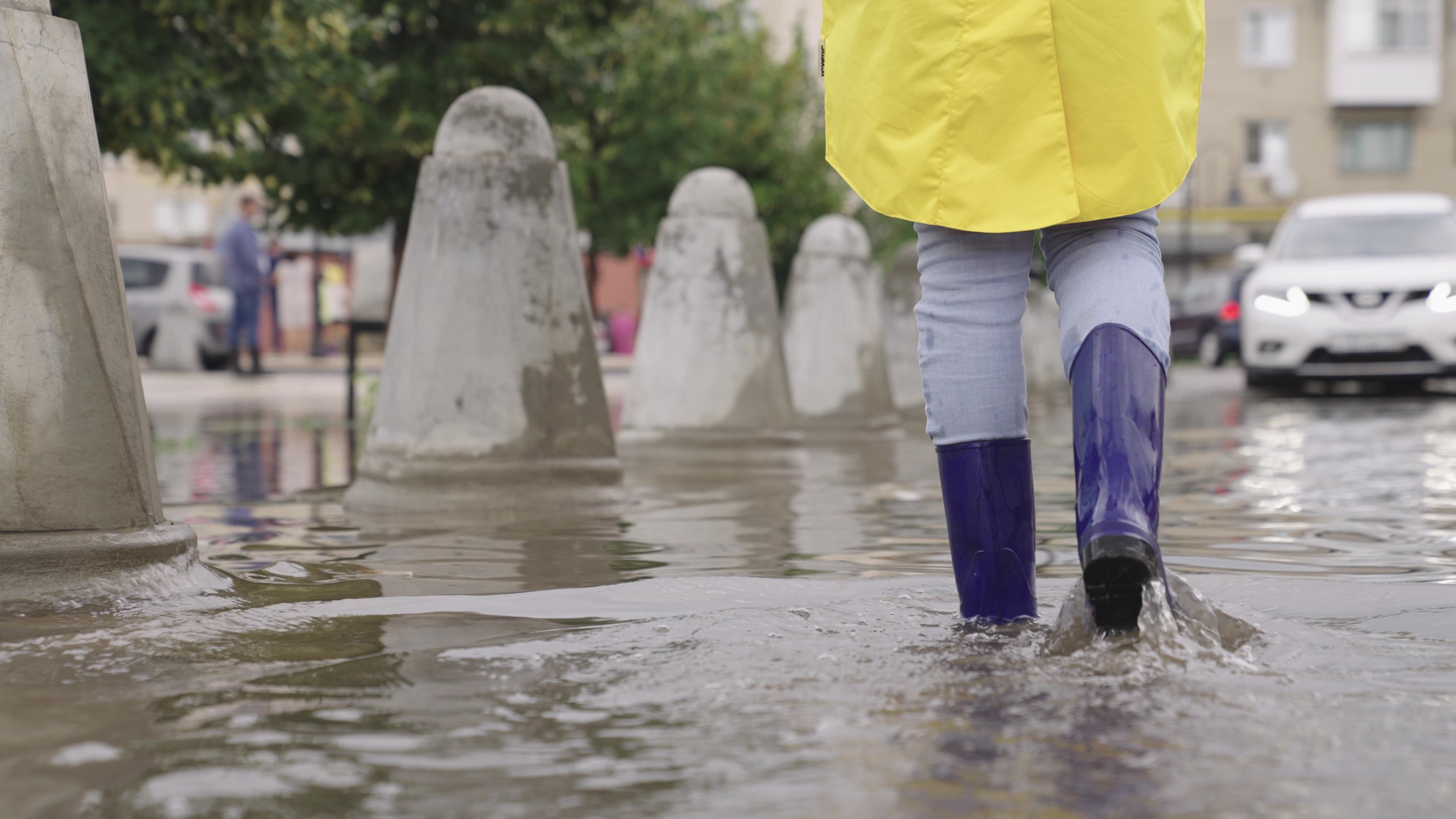
In early 2024, severe flooding swept through parts of San Diego, leaving neighborhoods inundated, businesses destroyed, and residents facing sudden displacement. What initially appeared to be an extreme weather event quickly raised deeper concerns about infrastructure readiness and governmental responsibility. As floodwaters receded, it became clear that the damage extended beyond physical property—it exposed systemic failures that had long been overlooked.
For many victims, the flooding was not simply the result of heavy rain. Reports and firsthand accounts pointed to clogged drainage systems, poorly maintained flood channels, and inadequate stormwater management. These failures transformed a predictable weather event into a large-scale disaster, prompting urgent questions about accountability.
The Scope of the San Diego Flooding
The floods impacted both residential and commercial areas, damaging homes, vehicles, storefronts, and essential infrastructure. Families were forced to evacuate with little notice, often losing personal belongings and critical documents in the process. Small businesses, already vulnerable to economic pressures, faced sudden closures and costly repairs.
Beyond immediate damage, many residents encountered long-term challenges. Mold growth, structural instability, and delayed repairs made returning home difficult. For business owners, lost inventory and prolonged shutdowns threatened long-term survival. These consequences underscored how deeply flooding can disrupt entire communities.
Infrastructure Failures at the Center of the Disaster
As investigations progressed, attention shifted toward whether the flooding could have been mitigated through proper maintenance and planning. Stormwater systems are designed to handle heavy rainfall, but only when they are adequately maintained and upgraded as conditions change.
In the case of the 2024 San Diego floods, evidence suggested that blocked drainage channels and outdated infrastructure played a significant role in amplifying damage. When government agencies or municipalities fail to maintain critical systems, they may be legally responsible for resulting harm.
Flooding caused by infrastructure failure is fundamentally different from unavoidable natural disasters. When systems designed to protect the public fail due to neglect, accountability becomes a legal issue.
Legal Responsibility and Government Accountability
Claims arising from infrastructure-related flooding often involve complex legal questions. Government entities have a duty to maintain public infrastructure in a reasonably safe condition. When they fail to do so, and that failure causes foreseeable harm, legal liability may follow.
Pursuing claims against public entities requires navigating specific procedures and deadlines. These cases demand careful investigation, documentation, and an understanding of how public responsibility is defined under California law. For flood victims, recognizing these distinctions is critical when exploring legal options.
Insurance Challenges After Flooding
Insurance coverage is often a major source of frustration after flooding events. Many homeowners discover that standard policies provide limited or no coverage for flood-related damage. Even when coverage exists, disputes over valuation, exclusions, and delays are common.
Underinsurance compounded losses for many San Diego flood victims. Repair costs frequently exceeded policy limits, leaving families and business owners struggling to recover. These gaps highlighted the importance of legal claims against responsible parties when insurance alone falls short.
The Importance of Acting Quickly
Flood-related claims are highly time-sensitive. Physical evidence such as drainage conditions, maintenance records, and water flow patterns can change rapidly after a disaster. Additionally, claims involving government entities are subject to strict notice requirements and shorter deadlines than typical civil cases.
Victims who act promptly are better positioned to preserve evidence and protect their legal rights. Early legal evaluation can help determine whether infrastructure failure contributed to the flooding and whether a viable claim exists.
Community Impact and Collective Action
The widespread nature of the San Diego floods meant that many victims shared similar experiences and losses. In such cases, coordinated legal action can be an effective way to pursue accountability. Collective efforts allow for shared investigation, reduced costs, and a stronger presentation of systemic failure.
Beyond compensation, these actions can lead to meaningful changes. Legal accountability encourages municipalities to address infrastructure weaknesses and prioritize public safety, helping prevent similar disasters in the future.
Long-Term Consequences of Infrastructure Neglect
Flooding disasters like the one in San Diego reveal the long-term consequences of deferred maintenance and inadequate planning. As climate patterns change, infrastructure systems must adapt. Failure to do so places communities at increasing risk.
Legal action serves not only to compensate victims but also to highlight the importance of proactive infrastructure management. These cases can drive improvements that protect communities for generations to come.
Moving Forward After the San Diego Floods
Recovery after flooding is rarely quick or simple. While rebuilding takes time, accountability plays a crucial role in restoring stability and trust. Understanding legal rights empowers victims to seek answers and pursue meaningful remedies.
At Ell Law Firm, we recognize that disasters caused by infrastructure failure demand serious scrutiny. The San Diego floods of 2024 stand as a reminder that when systems fail, communities deserve accountability, transparency, and a path forward.
you might also like
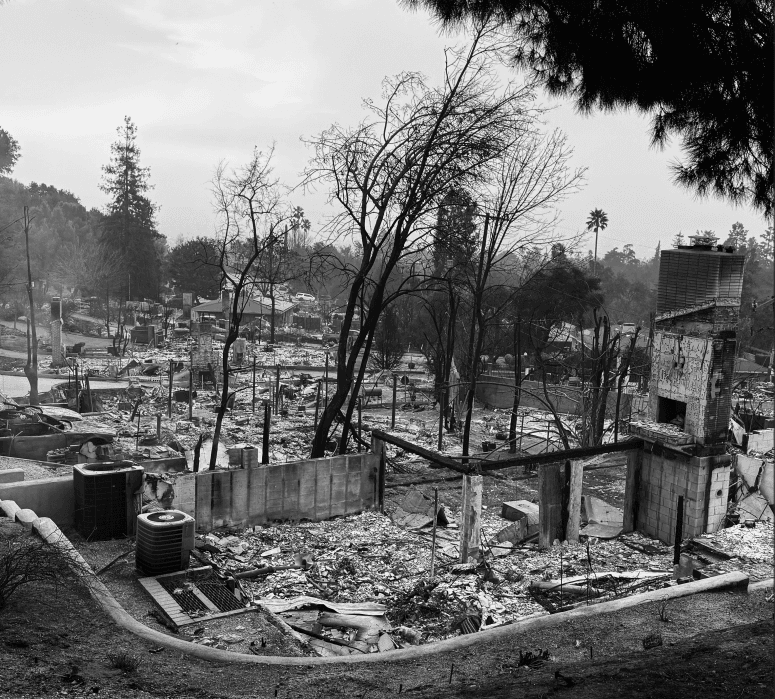
Burned Twice: Insurance Collusion Is Compounding the Wildfire Crisis
After the January 2025 Los Angeles wildfires, survivors faced a second crisis: canceled policies, rising premiums, and rebuilding obstacles. This article explores whether insurers’ synchronized pullbacks and shared risk tools could amount to unlawful collusion under California and federal law.

Slip and Fall Injuries in Los Angeles: How Negligence Is Proven in Premises Liability Cases
Slip and fall injuries are often treated like minor accidents, but many are caused by preventable hazards. Understanding how California premises liability law works—and what it takes to prove negligence—can help injured victims protect their health, finances, and legal rights.

Concussion Symptoms After an Accident: Why Head Injuries Should Never Be Ignored
Concussions are often misunderstood as minor injuries, but the truth is that symptoms can appear gradually and worsen over time. Understanding how concussion injuries work, why documentation matters, and how California personal injury claims address head trauma can help victims protect their health and their rights.
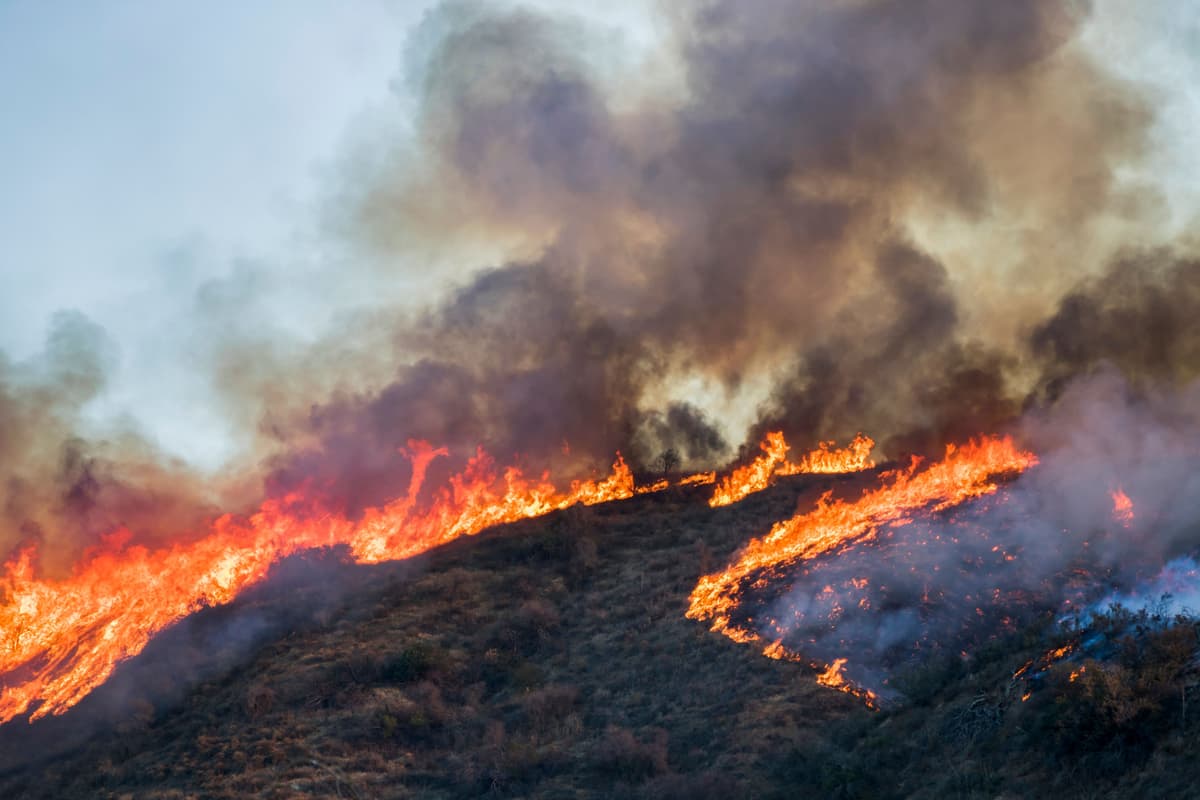
The Woolsey Fire: Understanding Legal Accountability After a Devastating Wildfire
The Woolsey Fire left a lasting mark on Southern California, destroying homes, displacing families, and reshaping conversations around wildfire responsibility. For victims, understanding legal accountability became a critical part of recovery.
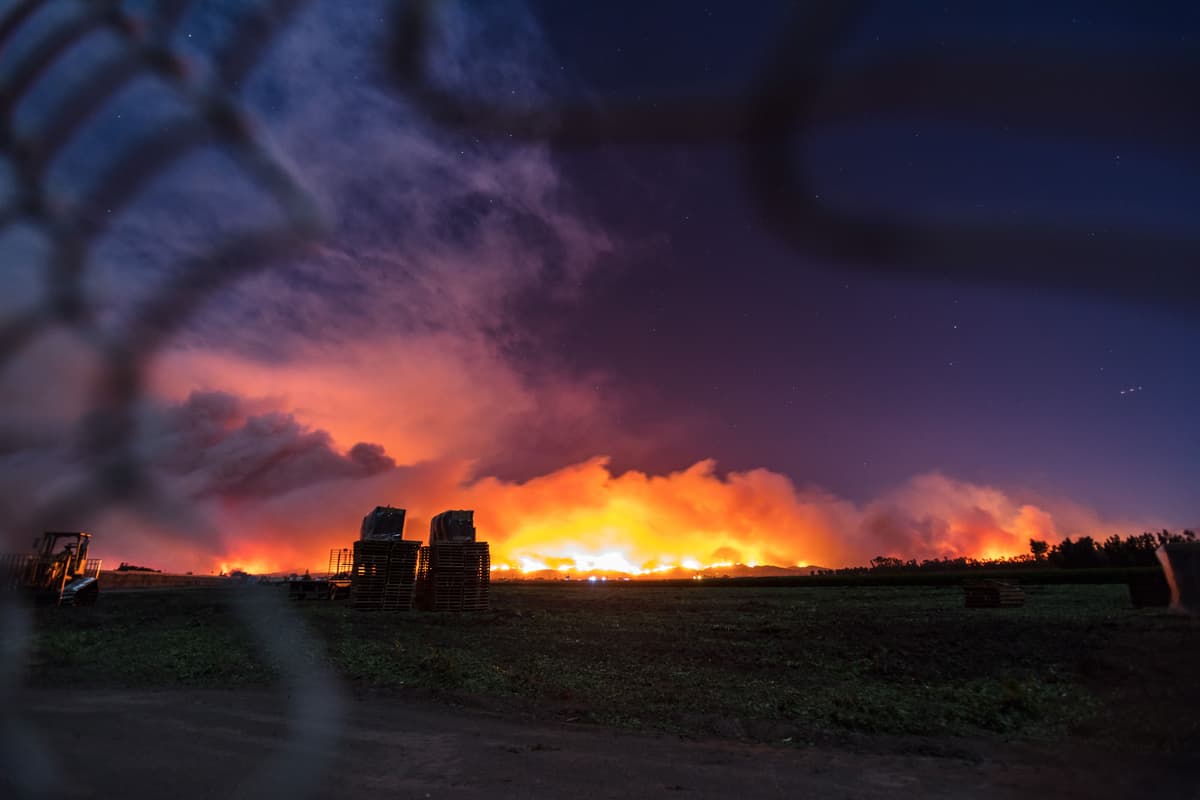
The Thomas Fire: Legal Accountability After a Historic California Wildfire
The Thomas Fire was one of the largest and most destructive wildfires in California history. Beyond the physical devastation, it became a turning point in how wildfire responsibility, liability, and large-scale disaster litigation are addressed.
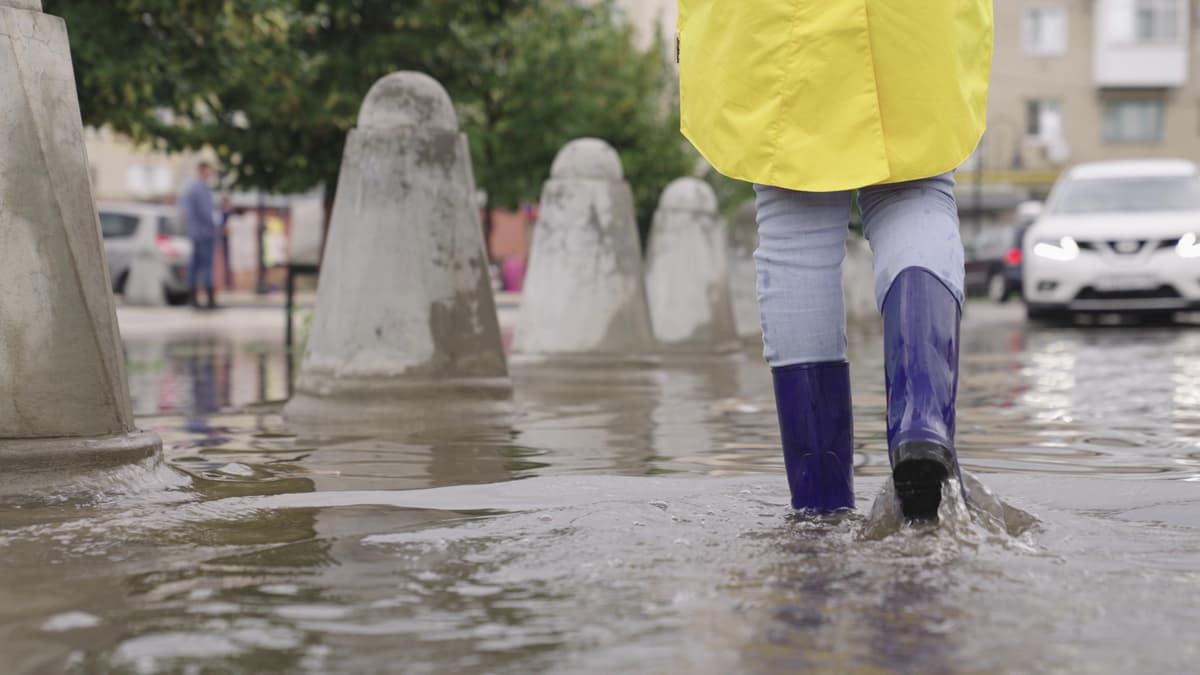
San Diego Floods (2024): When Infrastructure Failure Turns Into a Legal Crisis
The 2024 San Diego floods exposed serious infrastructure failures that left homes and businesses underwater. As recovery began, questions of responsibility and accountability became central for affected communities.