
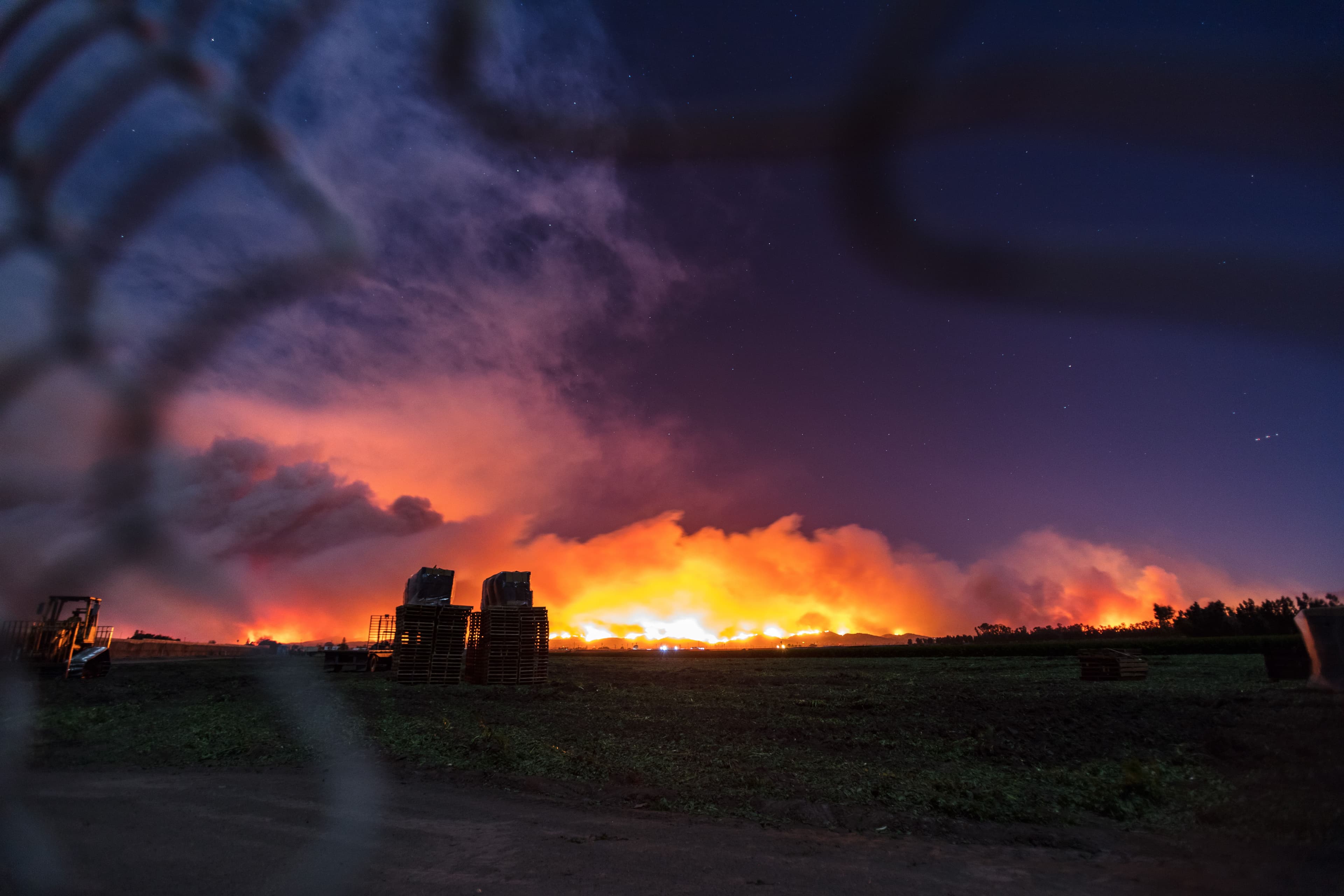
The Thomas Fire reshaped California’s understanding of wildfire devastation and legal accountability. Burning across Ventura and Santa Barbara Counties, the fire destroyed thousands of structures, displaced entire communities, and left long-lasting scars on the region. What set the Thomas Fire apart was not only its size and duration, but the legal consequences that followed in its aftermath.
For many victims, the fire represented a complete loss of stability. Homes, businesses, and livelihoods were erased in a matter of days. As communities struggled to recover, deeper questions emerged about how the fire started, whether it could have been prevented, and who should ultimately bear responsibility for the widespread destruction.
The Scope and Impact of the Thomas Fire
The Thomas Fire burned for weeks, becoming one of the largest wildfires in California’s recorded history at the time. Tens of thousands of residents were forced to evacuate, often with little warning. Entire neighborhoods were reduced to ash, and critical infrastructure was severely damaged.
Beyond property destruction, the fire disrupted daily life on a massive scale. Schools closed, businesses shut down indefinitely, and thousands of people faced prolonged displacement. The emotional toll of watching communities burn, combined with uncertainty about the future, created long-term trauma for many survivors.
These realities made clear that recovery would extend far beyond immediate cleanup efforts.
Investigations Into the Fire’s Origin
As containment efforts progressed, investigations into the cause of the Thomas Fire began to reveal troubling possibilities. Attention turned toward electrical infrastructure and whether failures in maintenance or safety protocols contributed to the fire’s ignition.
When wildfires are linked to human-controlled systems, they raise serious legal implications. Fires caused by faulty equipment or inadequate safety measures are not considered unavoidable natural disasters. Instead, they point toward preventable failures that place public safety at risk.
These findings laid the groundwork for large-scale legal action aimed at holding responsible parties accountable.
Why the Thomas Fire Became a Legal Turning Point
The Thomas Fire marked a shift in how wildfire litigation was approached in California. Victims began pursuing coordinated legal claims rather than isolated lawsuits, recognizing that the scale of damage required collective action.
This litigation focused on more than property loss alone. Claims addressed evacuation costs, lost income, business interruption, and long-term displacement. The legal response to the Thomas Fire demonstrated that wildfire victims could seek meaningful recovery when negligence played a role.
The case helped establish frameworks that would later influence other major wildfire lawsuits across the state.
The Limits of Insurance Coverage
For many victims, insurance coverage proved insufficient to address the full scope of losses. Policy limits often fell far short of rebuilding costs, and underinsurance was a widespread issue. Disputes with insurers over valuation, coverage exclusions, and delays added further hardship during recovery.
As a result, legal claims against responsible third parties became an essential avenue for financial recovery. These claims helped bridge the gap between insurance payouts and the true cost of rebuilding lives and communities.
The Importance of Collective Legal Action
The widespread impact of the Thomas Fire made collective legal action particularly effective. By pursuing claims together, victims were able to share evidence, reduce litigation costs, and present a unified case against responsible entities.
This approach also amplified the voices of affected communities. Rather than being isolated individuals navigating complex legal systems alone, victims gained strength through coordinated action. These efforts helped ensure that accountability matched the scale of the harm caused.
Long-Term Consequences for Communities
Years after the Thomas Fire, its effects are still felt. Rebuilding efforts took time, and some residents were unable to return to their original neighborhoods. Environmental damage, changes to land use, and increased awareness of wildfire risk continue to shape the region.
Legally, the Thomas Fire influenced how future wildfires are investigated and litigated. It reinforced the idea that large-scale disasters demand serious scrutiny of infrastructure, safety practices, and corporate responsibility.
Why Acting Quickly Matters After a Wildfire
One of the key lessons from the Thomas Fire is the importance of early legal action. Evidence related to fire origin, equipment condition, and operational failures can degrade or disappear over time. Legal deadlines also impose strict limits on when claims can be filed.
Victims who acted early were better positioned to preserve evidence, participate in coordinated litigation, and protect their rights. Timing played a critical role in shaping outcomes.
Moving Forward After the Thomas Fire
The Thomas Fire stands as a powerful reminder that wildfire recovery involves more than rebuilding structures. Accountability, transparency, and legal responsibility are essential components of long-term recovery.
At Ell Law Firm, we recognize the profound impact disasters like the Thomas Fire have on individuals and communities. Legal action cannot erase loss, but it can provide resources, accountability, and a path forward when negligence contributes to tragedy.
you might also like
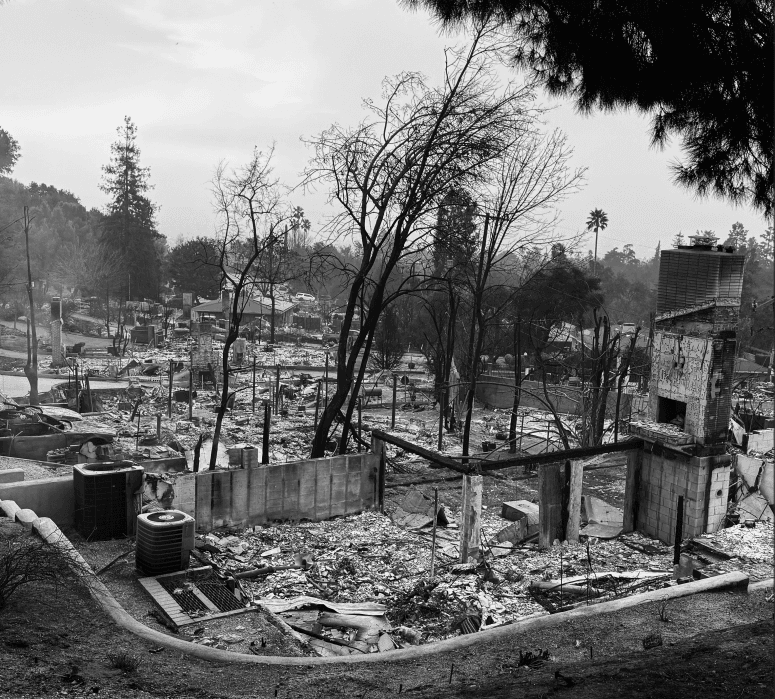
Burned Twice: Insurance Collusion Is Compounding the Wildfire Crisis
After the January 2025 Los Angeles wildfires, survivors faced a second crisis: canceled policies, rising premiums, and rebuilding obstacles. This article explores whether insurers’ synchronized pullbacks and shared risk tools could amount to unlawful collusion under California and federal law.

Slip and Fall Injuries in Los Angeles: How Negligence Is Proven in Premises Liability Cases
Slip and fall injuries are often treated like minor accidents, but many are caused by preventable hazards. Understanding how California premises liability law works—and what it takes to prove negligence—can help injured victims protect their health, finances, and legal rights.

Concussion Symptoms After an Accident: Why Head Injuries Should Never Be Ignored
Concussions are often misunderstood as minor injuries, but the truth is that symptoms can appear gradually and worsen over time. Understanding how concussion injuries work, why documentation matters, and how California personal injury claims address head trauma can help victims protect their health and their rights.
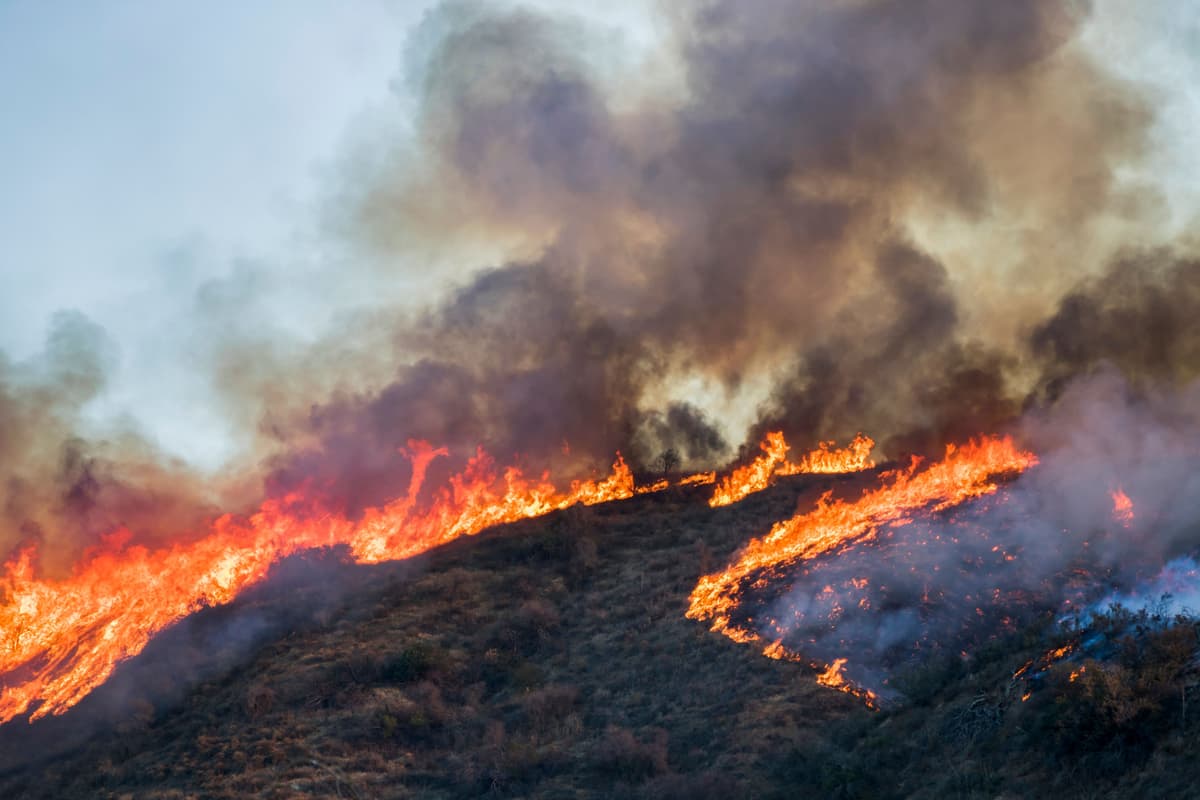
The Woolsey Fire: Understanding Legal Accountability After a Devastating Wildfire
The Woolsey Fire left a lasting mark on Southern California, destroying homes, displacing families, and reshaping conversations around wildfire responsibility. For victims, understanding legal accountability became a critical part of recovery.
The Thomas Fire: Legal Accountability After a Historic California Wildfire
The Thomas Fire was one of the largest and most destructive wildfires in California history. Beyond the physical devastation, it became a turning point in how wildfire responsibility, liability, and large-scale disaster litigation are addressed.

San Diego Floods (2024): When Infrastructure Failure Turns Into a Legal Crisis
The 2024 San Diego floods exposed serious infrastructure failures that left homes and businesses underwater. As recovery began, questions of responsibility and accountability became central for affected communities.