
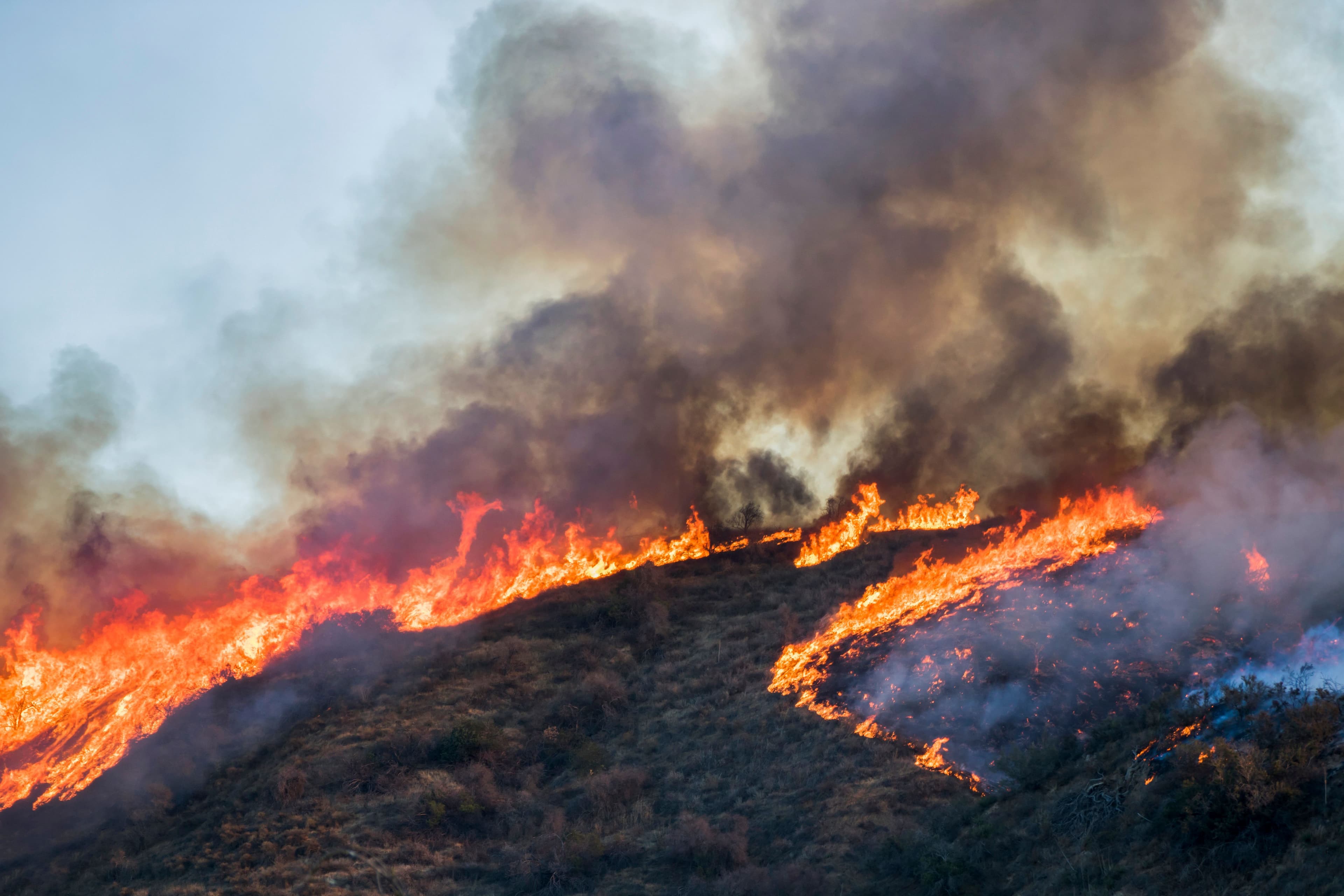
The Woolsey Fire stands as one of the most destructive wildfires in California history, leaving entire communities across Los Angeles and Ventura Counties permanently altered. What began as a fast-moving blaze quickly escalated into a large-scale disaster, destroying thousands of structures, forcing mass evacuations, and displacing families with little time to prepare. For many residents, the fire was not only a natural catastrophe but the beginning of a long and complex journey toward recovery.
Beyond the physical destruction, the Woolsey Fire raised serious questions about responsibility, preparedness, and accountability. As investigations unfolded, attention turned to whether the fire could have been prevented—or at least mitigated—through proper maintenance, infrastructure oversight, and safety measures. These questions became central not only to public discussion but also to legal action.
The Human Cost of the Woolsey Fire
The Woolsey Fire did more than destroy homes. Families lost personal belongings accumulated over generations, businesses were forced to close indefinitely, and entire neighborhoods were erased. Many victims were left navigating temporary housing, financial instability, and emotional trauma long after the flames were extinguished.
The psychological impact of such a disaster is often underestimated. Survivors frequently experience anxiety, sleep disruption, and lasting stress related to displacement and uncertainty. For some, returning to their communities meant confronting constant reminders of loss. These human consequences are a critical part of understanding why legal accountability matters after large-scale disasters.
Investigating the Cause and Spread of the Fire
As with many major California wildfires, the Woolsey Fire was not immediately labeled as the result of negligence. However, subsequent investigations examined the role of electrical infrastructure, vegetation management, and safety protocols. When utility equipment or other human-controlled systems are involved, the legal landscape changes significantly.
Wildfires linked to infrastructure failures are not treated as unavoidable acts of nature. Instead, they raise the possibility that responsible entities failed to take reasonable steps to prevent foreseeable harm. These findings can form the basis for legal claims aimed at recovering damages for affected individuals and communities.
Legal Accountability in Wildfire Cases
Wildfire litigation focuses on whether responsible parties acted reasonably under the circumstances. Utility companies, contractors, and land managers may all face scrutiny depending on how a fire originated and spread. In the case of the Woolsey Fire, litigation became a key mechanism for victims to seek compensation for losses that insurance alone could not cover.
Legal claims following wildfires often address property damage, relocation expenses, lost income, and other financial losses. They may also consider the broader disruption caused by prolonged displacement and community-wide impact. These cases require extensive investigation, expert analysis, and coordinated legal strategies.
Why Timing Matters After a Disaster
One of the defining characteristics of wildfire litigation is the importance of early action. Evidence related to fire origin, equipment condition, and environmental factors can be lost or altered over time. Additionally, California law imposes deadlines on claims, making prompt legal evaluation essential.
For Woolsey Fire victims, early legal action allowed for preservation of evidence and participation in coordinated litigation efforts. Acting quickly also helped ensure that victims’ experiences and losses were formally documented while details were still fresh.
Insurance Coverage and Its Limits
Insurance played a role in recovery for many Woolsey Fire victims, but it was rarely sufficient on its own. Policy limits, exclusions, and underinsurance left many families unable to fully rebuild. Disputes with insurers added another layer of stress to an already overwhelming situation.
Legal action against responsible third parties became a necessary avenue for addressing gaps left by insurance coverage. Understanding this distinction is crucial for wildfire victims evaluating their options.
Community Impact and Collective Legal Action
The Woolsey Fire affected thousands of people, making individual legal claims impractical in many cases. Collective legal action allowed victims to pool resources, share evidence, and pursue accountability more effectively. These efforts not only sought compensation but also encouraged systemic changes in wildfire prevention and infrastructure management.
Large-scale litigation following the Woolsey Fire helped shape modern wildfire accountability in California, influencing how similar disasters are addressed today.
Moving Forward After the Woolsey Fire
Recovery after a wildfire is never simple. While no legal process can undo the devastation caused by the Woolsey Fire, accountability plays an important role in rebuilding lives and communities. For many victims, pursuing justice provided financial relief, closure, and reassurance that their losses were recognized.
At Ell Law Firm, we understand that disaster litigation is about more than legal outcomes—it is about standing with communities during their most difficult moments. The Woolsey Fire remains a powerful reminder of why preparedness, responsibility, and accountability matter when disaster strikes.
you might also like
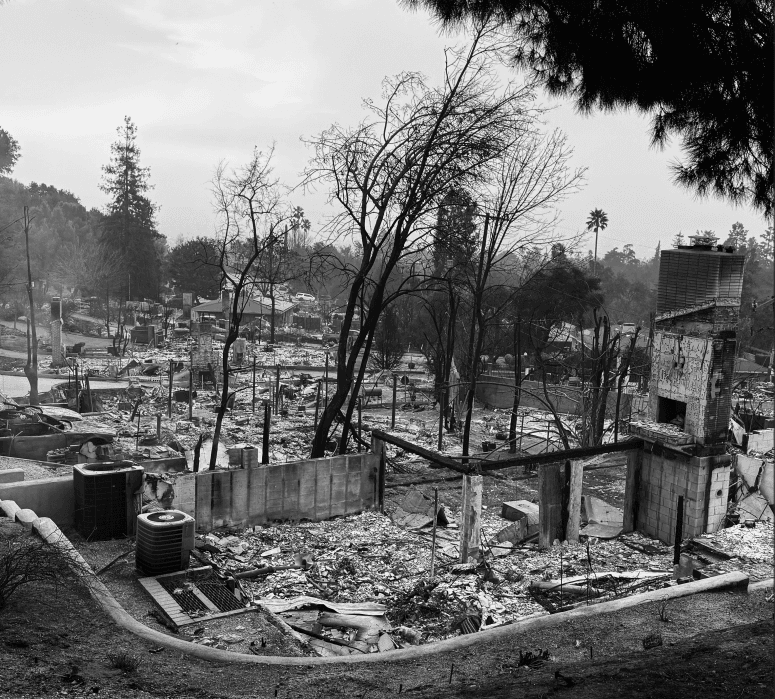
Burned Twice: Insurance Collusion Is Compounding the Wildfire Crisis
After the January 2025 Los Angeles wildfires, survivors faced a second crisis: canceled policies, rising premiums, and rebuilding obstacles. This article explores whether insurers’ synchronized pullbacks and shared risk tools could amount to unlawful collusion under California and federal law.

Slip and Fall Injuries in Los Angeles: How Negligence Is Proven in Premises Liability Cases
Slip and fall injuries are often treated like minor accidents, but many are caused by preventable hazards. Understanding how California premises liability law works—and what it takes to prove negligence—can help injured victims protect their health, finances, and legal rights.

Concussion Symptoms After an Accident: Why Head Injuries Should Never Be Ignored
Concussions are often misunderstood as minor injuries, but the truth is that symptoms can appear gradually and worsen over time. Understanding how concussion injuries work, why documentation matters, and how California personal injury claims address head trauma can help victims protect their health and their rights.
The Woolsey Fire: Understanding Legal Accountability After a Devastating Wildfire
The Woolsey Fire left a lasting mark on Southern California, destroying homes, displacing families, and reshaping conversations around wildfire responsibility. For victims, understanding legal accountability became a critical part of recovery.
The Thomas Fire: Legal Accountability After a Historic California Wildfire
The Thomas Fire was one of the largest and most destructive wildfires in California history. Beyond the physical devastation, it became a turning point in how wildfire responsibility, liability, and large-scale disaster litigation are addressed.
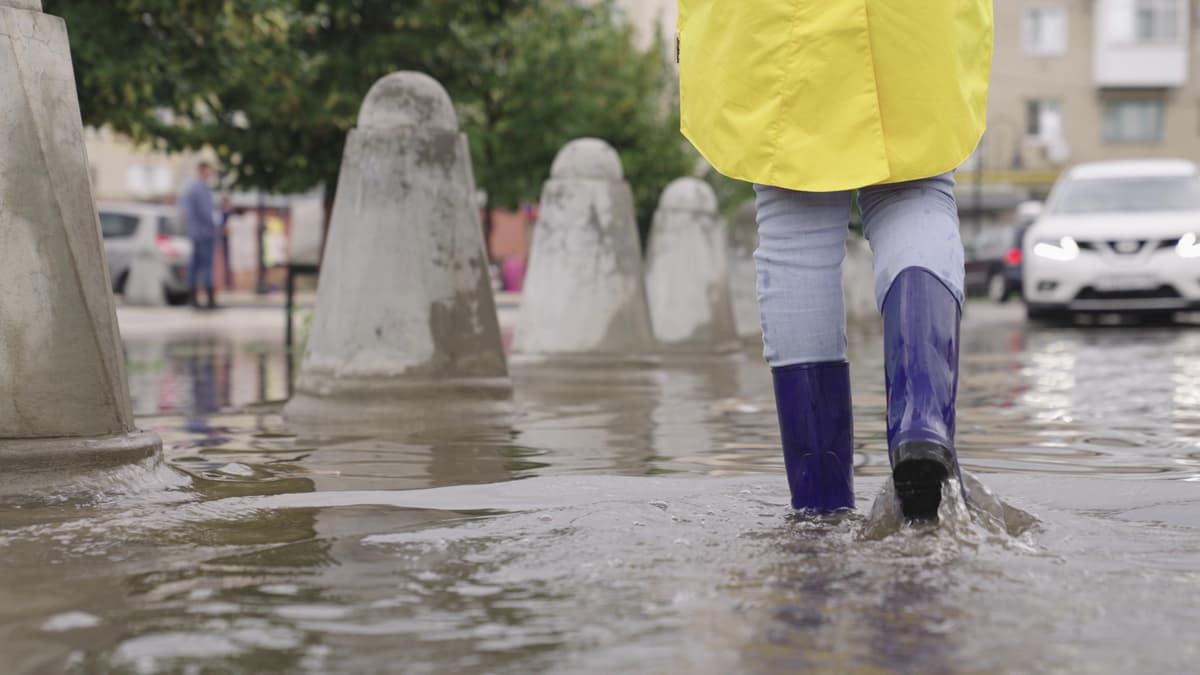
San Diego Floods (2024): When Infrastructure Failure Turns Into a Legal Crisis
The 2024 San Diego floods exposed serious infrastructure failures that left homes and businesses underwater. As recovery began, questions of responsibility and accountability became central for affected communities.