
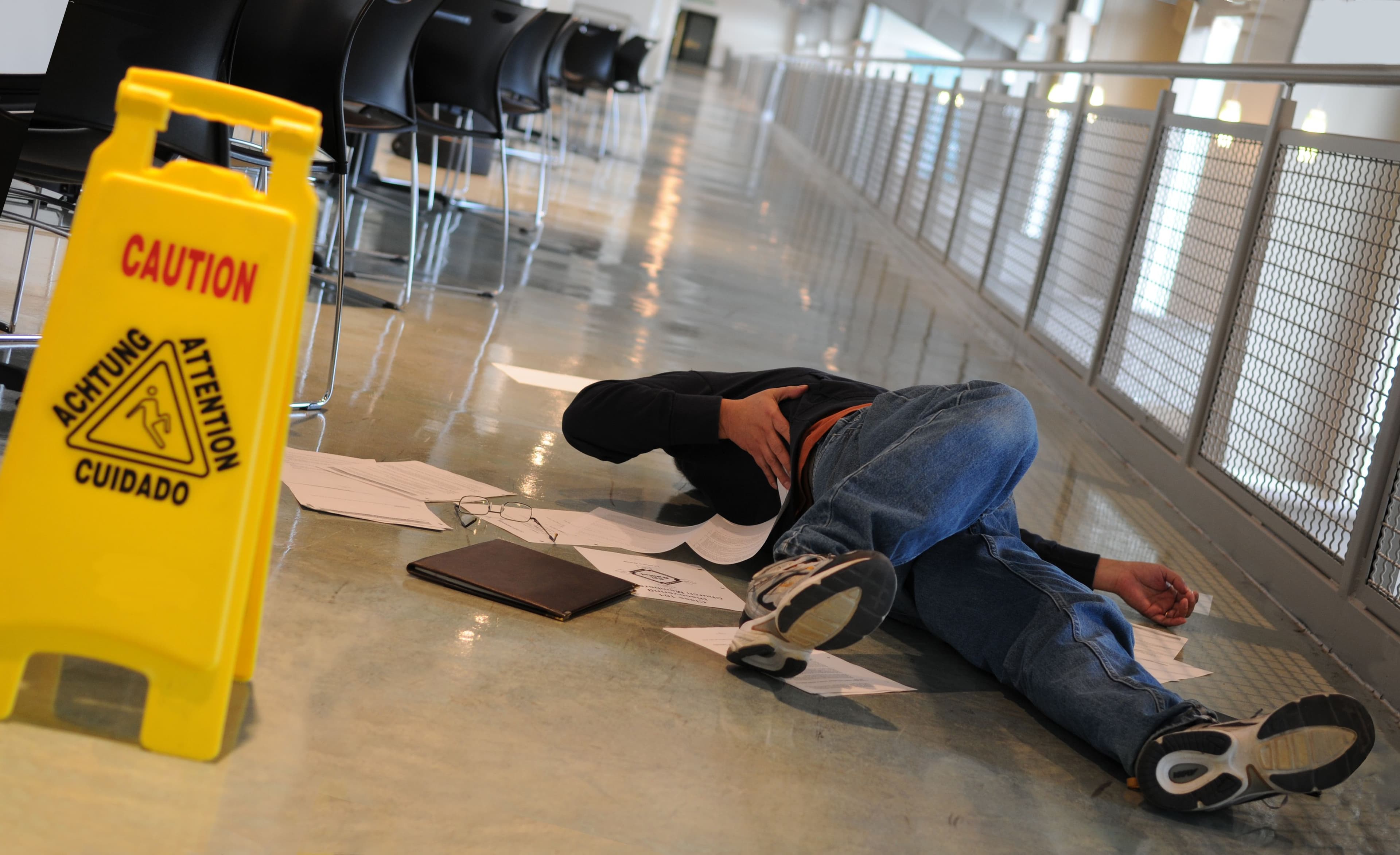
Slip and fall accidents are frequently dismissed as simple mishaps—something that happens because a person wasn’t paying attention. In reality, many falls are caused by property conditions that should have been fixed, cleaned, or clearly warned about. In a city like Los Angeles, where people are constantly moving through grocery stores, apartment complexes, hotels, restaurants, and parking garages, the risk of injury from unsafe property conditions is higher than most people assume.
When someone is injured in a fall, the question becomes more than “What happened?” It becomes: Should it have happened? And if a property owner could have prevented the hazard but failed to act, California law may allow the injured person to pursue compensation. These cases fall under a legal category called premises liability.
What Premises Liability Means in California
Premises liability is based on the idea that property owners and managers have a duty to keep their premises reasonably safe for visitors. This does not mean that a property must be perfect or free of all risk. It does mean, however, that owners must take reasonable steps to prevent foreseeable harm.
This duty typically includes:
- Inspecting the property for hazards
- Fixing dangerous conditions in a reasonable amount of time
- Warning people when hazards cannot be immediately repaired
- Maintaining safe walkways, staircases, and common areas
When a property owner fails to do these things and someone gets injured, that failure can be considered negligence.
Where Slip and Fall Accidents Commonly Occur
Slip and fall injuries can happen nearly anywhere, but some places produce claims more often due to high foot traffic or poor maintenance. In Los Angeles, many cases occur in retail stores, apartment complexes, restaurants, and parking structures.
A fall may be caused by something as simple as a spill that wasn’t cleaned up—or as serious as an unstable staircase, broken handrail, or uneven sidewalk. These hazards often exist for longer than they should, especially when property owners are understaffed or fail to follow safety procedures.
Why Slip and Fall Cases Are Often Challenged
Many people assume slip and fall claims are “easy.” In practice, they are frequently contested. Property owners and their insurance companies often deny responsibility and may try to shift blame onto the injured person.
One of the most common defenses is that the hazard was “open and obvious,” meaning the victim should have noticed it. Another frequent argument is that the hazard didn’t exist long enough for the owner to reasonably fix it. These defenses can be persuasive if evidence is weak, which is why documentation matters so much.
How Negligence Is Proven in Slip and Fall Cases
To prove negligence in a premises liability claim, an injured person generally must show:
- A dangerous condition existed on the property
- The property owner knew—or should have known—about it
- The owner failed to fix it or warn visitors
- The unsafe condition caused the injury
The most challenging part is often proving what the owner “knew” and whether they had enough time to respond. This is where evidence becomes critical.
The Evidence That Often Makes or Breaks a Claim
Slip and fall cases are heavily evidence-driven because hazardous conditions can disappear quickly. A spill can be cleaned up. A broken tile can be replaced. Poor lighting can be repaired. If the hazard is gone, insurers may argue that it never existed.
Helpful evidence may include:
- Photos or video of the hazard
- Surveillance footage from the property
- Incident reports filed at the scene
- Witness statements from employees or bystanders
- Medical records documenting injuries and treatment
- Maintenance records showing how the property was inspected
Even small details—like footwear, lighting, signage, and weather conditions—can influence how a claim is evaluated.
Why Medical Care Matters Even When Injuries Seem Minor
One common mistake is delaying medical care because the injury “doesn’t seem that bad.” Many slip and fall injuries worsen over time, especially back injuries, soft tissue damage, and head trauma.
Seeking medical treatment immediately helps in two ways. First, it protects your health and catches problems early. Second, it establishes a clear connection between the fall and the injury. Insurance companies often question claims when victims wait days or weeks to seek treatment.
Understanding Comparative Fault in California
California follows a comparative negligence system. This means that an injured person can still recover compensation even if they were partially at fault, but their recovery may be reduced based on their percentage of responsibility.
For example, if an insurer claims you were 25% responsible for not noticing a hazard, your compensation may be reduced by 25%. Insurance companies often use this strategy to decrease payouts, even when property negligence is the main cause of the accident.
This is another reason why evidence matters—strong evidence can reduce unfair fault arguments.
Damages in Slip and Fall Injury Claims
A slip and fall claim may involve both economic and non-economic damages. Economic damages include tangible costs like medical bills, rehabilitation expenses, and lost wages. Non-economic damages address pain, emotional distress, and reduced quality of life.
Depending on the injury, compensation may account for:
- Emergency medical care
- Follow-up treatment and physical therapy
- Lost income and time away from work
- Long-term limitations or disability
- Pain and suffering
- Emotional distress
Falls can lead to serious injuries, including fractures, head injuries, spinal trauma, and permanent mobility issues—especially in older adults. This makes the financial and personal impact significant.
Why Legal Guidance Matters After a Slip and Fall
Slip and fall cases are often treated aggressively by insurance companies, and victims can feel pressured to accept low settlements quickly. But the true cost of an injury may not be clear until weeks or months later—especially when recovery is slower than expected or additional treatment becomes necessary.
An experienced attorney can help by preserving evidence, evaluating liability, communicating with insurers, and ensuring that a claim reflects the full scope of damages. This can be especially important when injuries are serious, long-lasting, or contested by the other side.
Protecting Los Angeles Injury Victims
At Ell Law Firm, we understand that slip and fall injuries can cause lasting financial and physical hardship. Premises liability claims are not just about compensation—they are about holding property owners accountable for safety failures that should never have happened.
If you were injured in a slip and fall accident in Los Angeles, learning how negligence is proven can help you take meaningful steps toward recovery and fairness.
you might also like
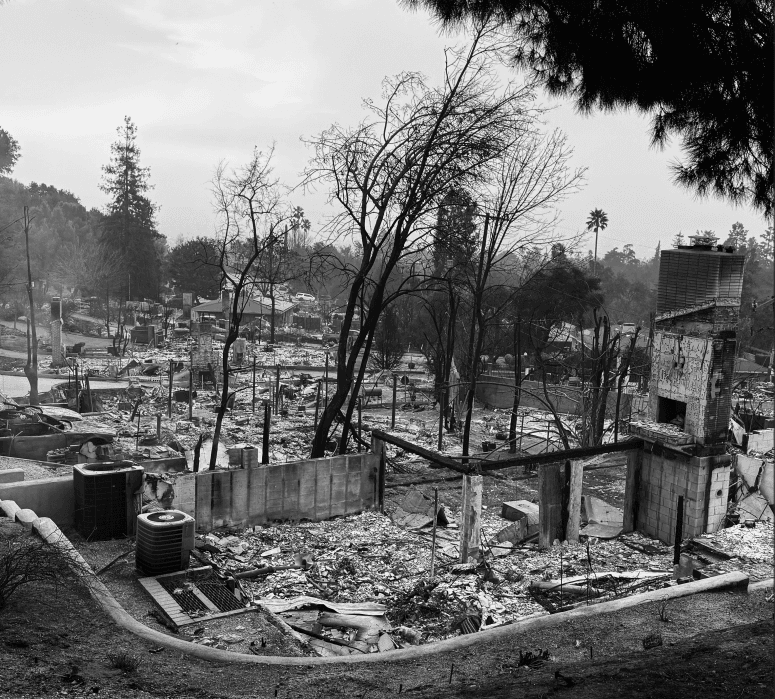
Burned Twice: Insurance Collusion Is Compounding the Wildfire Crisis
After the January 2025 Los Angeles wildfires, survivors faced a second crisis: canceled policies, rising premiums, and rebuilding obstacles. This article explores whether insurers’ synchronized pullbacks and shared risk tools could amount to unlawful collusion under California and federal law.
Slip and Fall Injuries in Los Angeles: How Negligence Is Proven in Premises Liability Cases
Slip and fall injuries are often treated like minor accidents, but many are caused by preventable hazards. Understanding how California premises liability law works—and what it takes to prove negligence—can help injured victims protect their health, finances, and legal rights.

Concussion Symptoms After an Accident: Why Head Injuries Should Never Be Ignored
Concussions are often misunderstood as minor injuries, but the truth is that symptoms can appear gradually and worsen over time. Understanding how concussion injuries work, why documentation matters, and how California personal injury claims address head trauma can help victims protect their health and their rights.
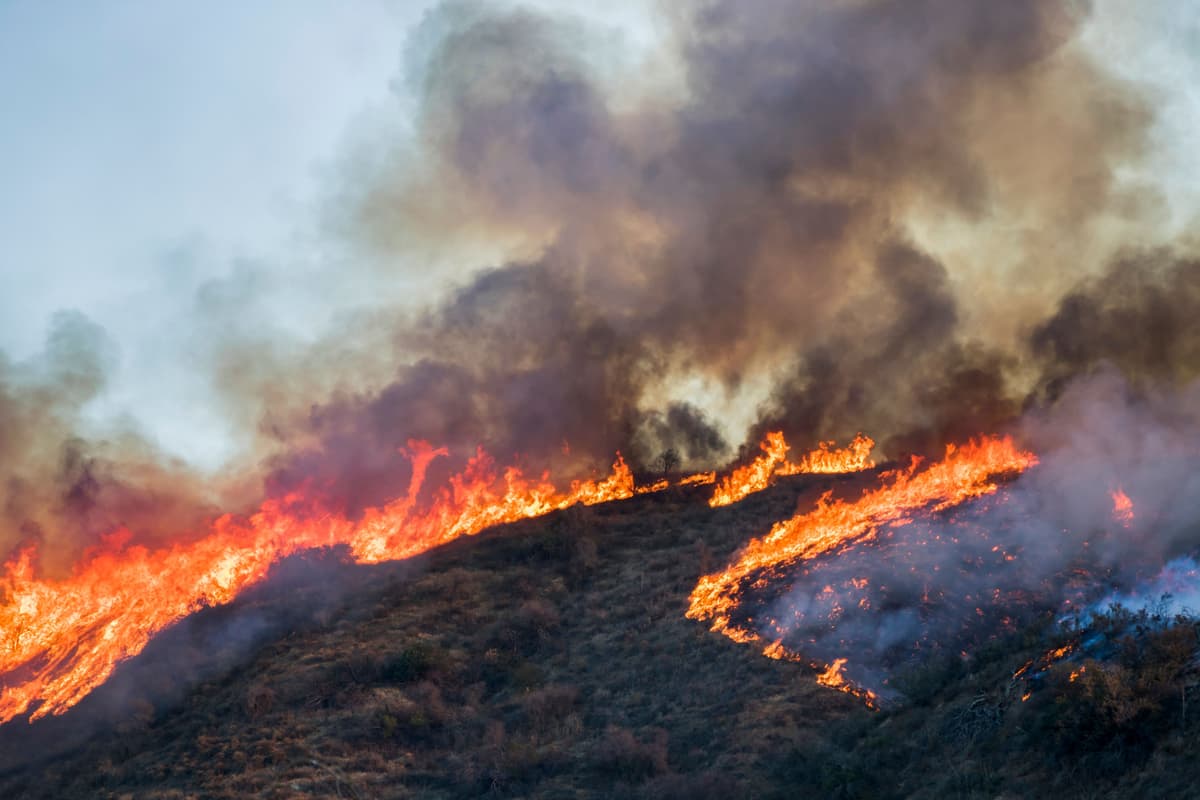
The Woolsey Fire: Understanding Legal Accountability After a Devastating Wildfire
The Woolsey Fire left a lasting mark on Southern California, destroying homes, displacing families, and reshaping conversations around wildfire responsibility. For victims, understanding legal accountability became a critical part of recovery.
The Thomas Fire: Legal Accountability After a Historic California Wildfire
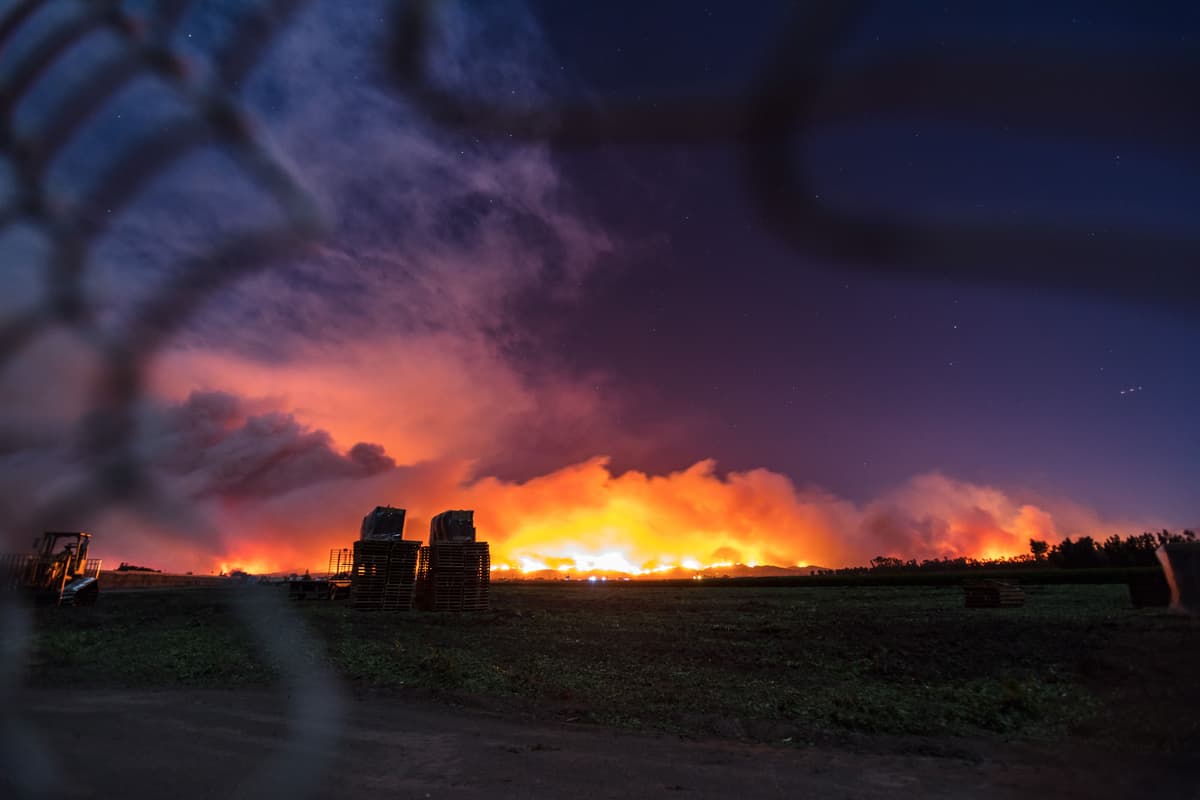
The Thomas Fire was one of the largest and most destructive wildfires in California history. Beyond the physical devastation, it became a turning point in how wildfire responsibility, liability, and large-scale disaster litigation are addressed.
San Diego Floods (2024): When Infrastructure Failure Turns Into a Legal Crisis
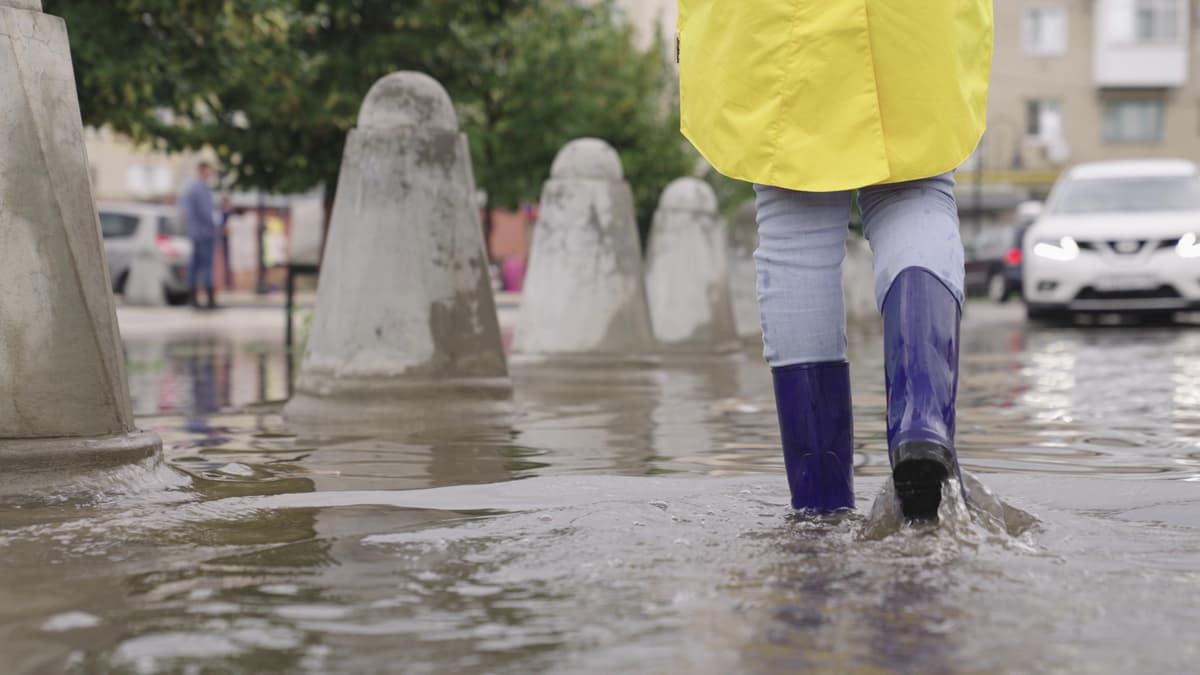
The 2024 San Diego floods exposed serious infrastructure failures that left homes and businesses underwater. As recovery began, questions of responsibility and accountability became central for affected communities.