
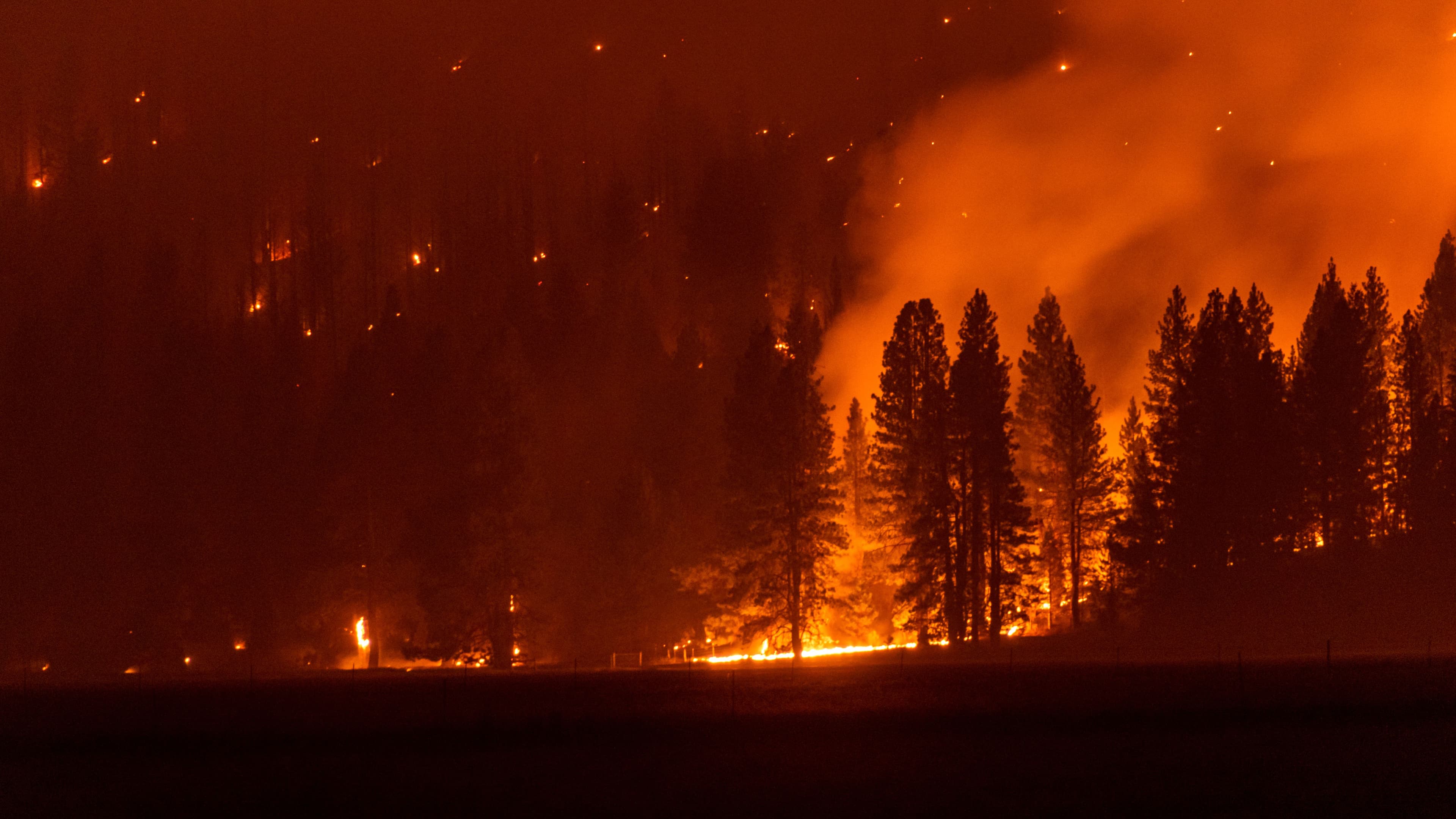
Wildfires have grown more destructive in recent years, leaving entire neighborhoods devastated in minutes. For families who lose their homes, the first instinct is to turn to their insurance company for help rebuilding. Yet many victims quickly discover a painful reality: their policy limits are nowhere near enough to cover the full cost of recovery. Underinsurance is one of the most widespread problems facing wildfire survivors—and it often leaves families unable to rebuild without pursuing legal action.
Why Wildfire Victims Are Often Underinsured
Most homeowners don’t realize they are underinsured until after disaster strikes. Insurance policies typically rely on outdated valuations that fail to keep up with rising construction costs, inflation, and the price of skilled labor. After a major wildfire, those costs surge even higher due to demand, making rebuilding exponentially more expensive.
Many policies also include sub-limits for critical components of the recovery process, such as:
- Debris removal
- Code upgrades required by local building authorities
- Landscaping, trees, and vegetation
- Outbuildings, fencing, and detached structures
These limits can dramatically reduce payouts—even for families who believed they had “full replacement cost” coverage. In reality, replacement cost does not guarantee the insurer will fund a complete rebuild.
The Hidden Losses Insurance Rarely Covers
Beyond the home itself, wildfires destroy aspects of a property that insurers frequently undervalue or exclude:
Landscaping and vegetation. Trees, soil, irrigation systems, and outdoor spaces often receive minimal or no coverage, despite representing significant value.
Smoke damage. Smoke infiltration can affect personal property, HVAC systems, and structural components long after a fire, but insurers often attempt to minimize or deny these claims.
Displacement and temporary living expenses. Policy limits may not account for extended displacement when rebuilding takes years.
Emotional and psychological harm. Insurance policies do not compensate for the trauma, stress, and disruption families experience after a wildfire.
Economic losses. Home-based businesses, rental units, and other revenue-producing uses of the property are often underinsured or excluded entirely.
As a result, many victims face a large financial gap even after receiving the maximum payout available under their policy.
Why Litigation Is Often Necessary
When insurance falls short, homeowners must look beyond their policy to recover their full losses. In many wildfire cases, utilities or other third parties are responsible for starting the fire through negligence, poor maintenance, or failure to manage vegetation and electrical infrastructure.
Litigation against responsible parties can help victims recover damages for:
- Uninsured structural losses
- Landscaping and tree replacement
- Business interruption
- Emotional distress and inconvenience
- Long-term property value loss
- Personal property not fully covered by insurance
Insurance carriers may also delay, underpay, or dispute claims, creating additional hardship for families who urgently need support. Litigation helps hold utilities accountable and ensures homeowners receive compensation they cannot obtain from their insurance policies alone.
How ELL Supports Wildfire Victims
Engstrom, Lipscomb & Lack has spent more than 40 years representing homeowners, HOAs, and communities in complex wildfire litigation. Our team has recovered billions of dollars against major utilities and corporations, including some of the largest wildfire cases in California’s history.
Our approach combines:
- Expertise in wildfire science and ignition analysis
- Access to leading fire experts, engineers, and construction specialists
- Deep experience in mass tort coordination
- Thorough analysis of insurance gaps and total financial losses
- Contingency representation—clients pay nothing unless we recover funds
We understand the full scope of what a wildfire takes from a family, and we work to secure compensation that reflects the true cost of rebuilding a home and a life.
What Homeowners Should Do After Discovering They’re Underinsured
If you learn your policy won’t cover your losses, the steps you take next are critical:
- Request a certified copy of your insurance policy and review all limits and sub-limits.
- Document every loss, including structural damage, belongings, and landscaping.
- Seek independent contractor estimates, not just the insurer’s valuation.
- Preserve any evidence of the fire’s origin, including photos and videos.
- Contact a wildfire litigation attorney early to protect your rights and explore all avenues of recovery.
If your insurance coverage isn’t enough to rebuild after a wildfire, you are not alone—and you have powerful legal options. Engstrom, Lipscomb & Lack has decades of experience helping families recover what insurance won’t cover. Contact our team to discuss your situation and learn how we can help secure the compensation needed to rebuild.
you might also like
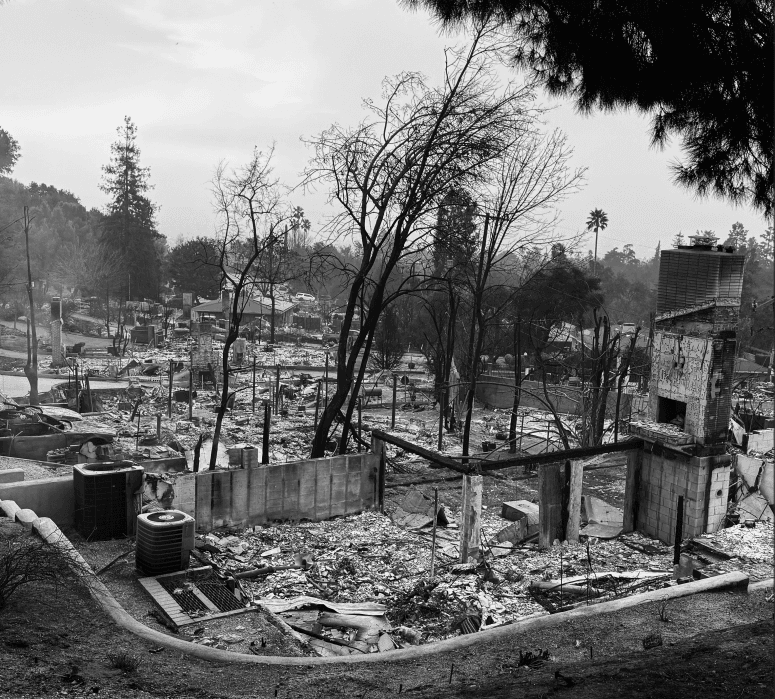
Burned Twice: Insurance Collusion Is Compounding the Wildfire Crisis
After the January 2025 Los Angeles wildfires, survivors faced a second crisis: canceled policies, rising premiums, and rebuilding obstacles. This article explores whether insurers’ synchronized pullbacks and shared risk tools could amount to unlawful collusion under California and federal law.

Slip and Fall Injuries in Los Angeles: How Negligence Is Proven in Premises Liability Cases
Slip and fall injuries are often treated like minor accidents, but many are caused by preventable hazards. Understanding how California premises liability law works—and what it takes to prove negligence—can help injured victims protect their health, finances, and legal rights.

Concussion Symptoms After an Accident: Why Head Injuries Should Never Be Ignored
Concussions are often misunderstood as minor injuries, but the truth is that symptoms can appear gradually and worsen over time. Understanding how concussion injuries work, why documentation matters, and how California personal injury claims address head trauma can help victims protect their health and their rights.
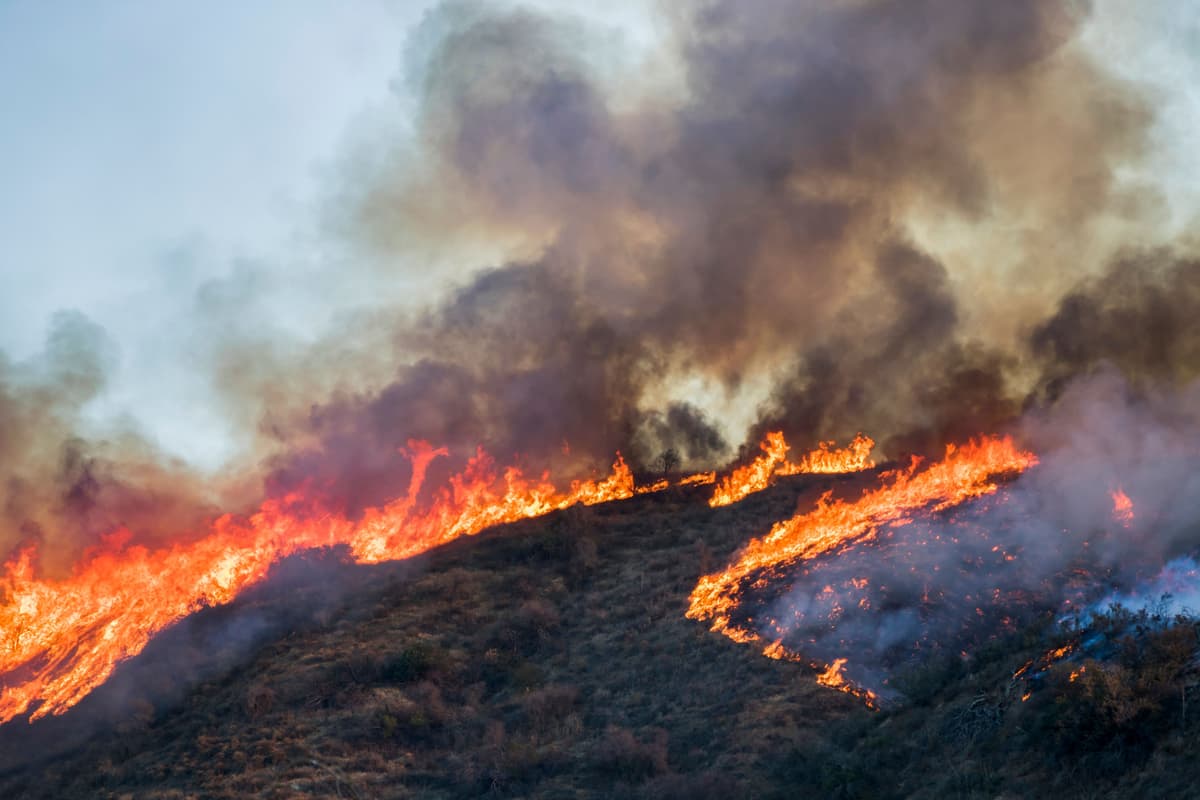
The Woolsey Fire: Understanding Legal Accountability After a Devastating Wildfire
The Woolsey Fire left a lasting mark on Southern California, destroying homes, displacing families, and reshaping conversations around wildfire responsibility. For victims, understanding legal accountability became a critical part of recovery.
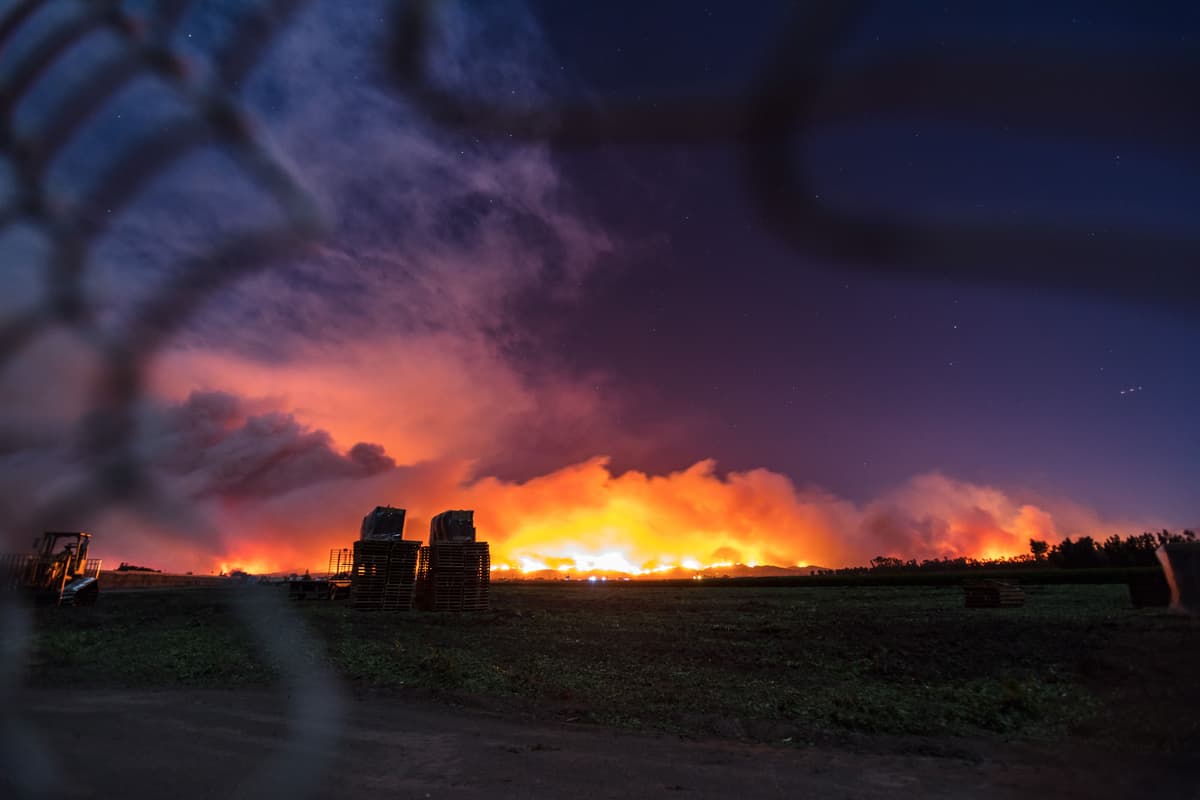
The Thomas Fire: Legal Accountability After a Historic California Wildfire
The Thomas Fire was one of the largest and most destructive wildfires in California history. Beyond the physical devastation, it became a turning point in how wildfire responsibility, liability, and large-scale disaster litigation are addressed.
San Diego Floods (2024): When Infrastructure Failure Turns Into a Legal Crisis
The 2024 San Diego floods exposed serious infrastructure failures that left homes and businesses underwater. As recovery began, questions of responsibility and accountability became central for affected communities.