
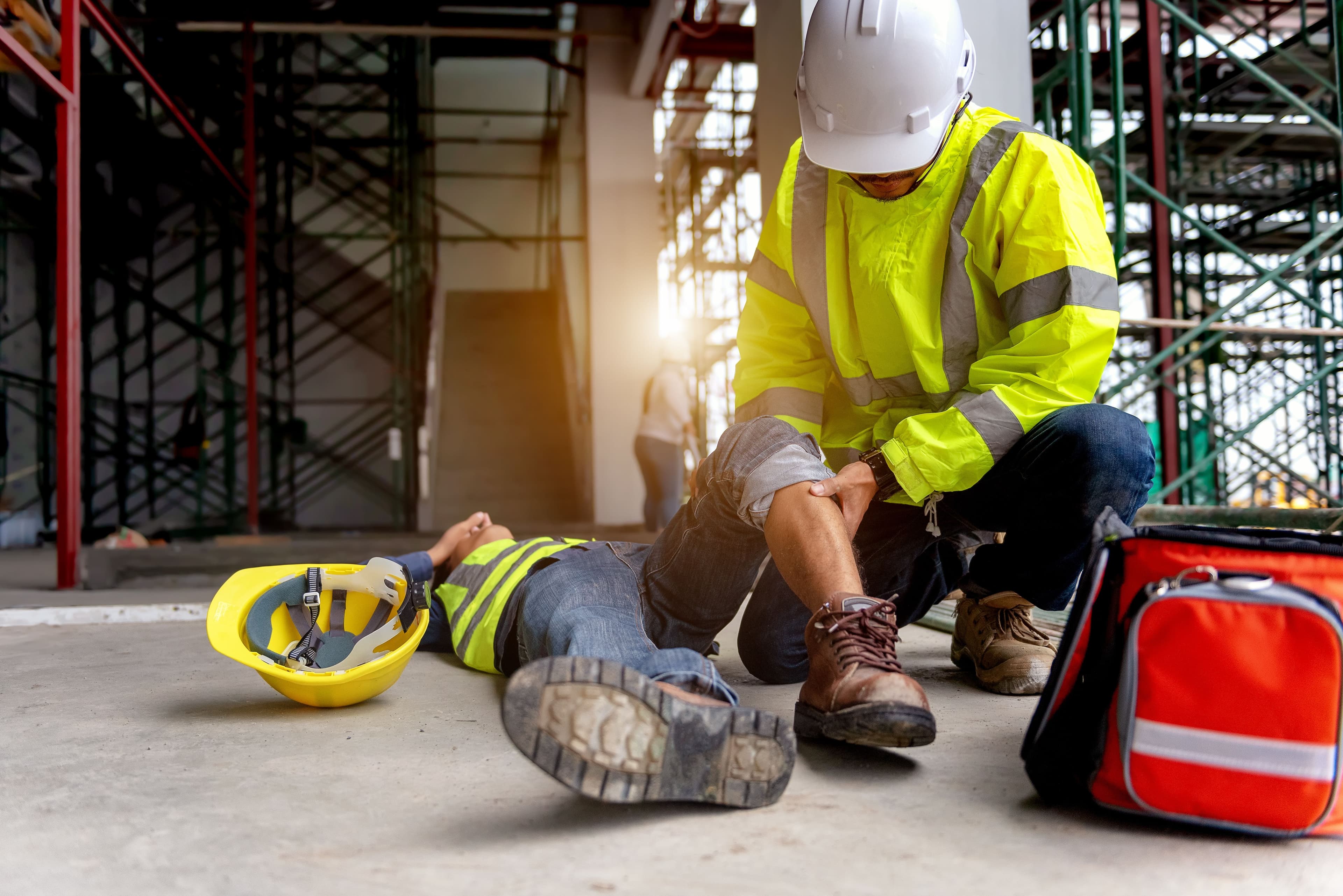
Falls from heights remain the leading cause of death and catastrophic injury in the construction industry. Whether the fall occurs from a ladder, scaffold, roof edge, aerial lift, or unfinished floor, these incidents are almost always preventable. When contractors fail to follow basic safety rules, skip inspections, or pressure workers to rush, the results can be life-changing. And while many workers assume that workers’ compensation is their only option, the truth is that falls often involve third-party negligence—meaning additional compensation may be available.
Common Causes of Falls From Heights
Construction sites involve constant movement, heavy equipment, and elevated workspaces. Falls happen when either the equipment or the environment is unsafe. The most frequent causes include:
Unsafe scaffolding. Scaffolds that are improperly assembled, lack guardrails, or sit on unstable ground are a major cause of severe falls.
Defective or unsecured ladders. Ladders that slip, collapse, or break under load can send workers falling without warning.
Roof edges and unprotected openings. Missing guardrails, skylight covers, and hole covers violate basic fall-protection standards.
Inadequate fall-arrest systems. Many falls happen when harnesses, lanyards, or anchor points are not provided, not used correctly, or poorly maintained.
Unsafe aerial lifts and platforms. Boom lifts and scissor lifts require strict adherence to manufacturer and OSHA safety rules—failures here often cause fatal accidents.
These hazards are well-known in the industry, and regulations exist precisely to prevent these tragedies. When those rules are ignored, workers pay the price.
Why These Accidents Happen
Falls are rarely the result of a single mistake. More often, they stem from systemic problems on the jobsite:
- Contractors rushing to meet deadlines
- Poor supervision or lack of qualified safety personnel
- Inadequate training on equipment use
- Failure to inspect fall-protection gear
- Communication breakdowns between subcontractors
- Use of defective tools or materials
OSHA requires employers to identify fall hazards and provide protective measures, yet violations related to fall protection remain the most frequently cited across the country.
The Injuries Associated With Height-Related Falls
Falls from even a few feet can be devastating. Common injuries include:
- Traumatic brain injuries
- Spinal cord damage and paralysis
- Multiple fractures and orthopedic trauma
- Internal organ injuries
- Long-term disability
- Wrongful death
Recovery often requires surgery, rehabilitation, and ongoing care. For many workers, returning to their previous job duties becomes impossible.
Liability Beyond Workers’ Compensation
While workers’ compensation covers medical bills and partial wage replacement, it does not compensate for pain and suffering, loss of future earnings, or emotional harm. That is why identifying third-party liability is critical.
Workers may have claims against:
- Subcontractors who created unsafe conditions
- Property owners who failed to maintain safe premises
- General contractors who ignored safety protocols
- Equipment manufacturers who produced defective ladders, scaffolds, or lifts
- Maintenance companies responsible for faulty gear
For example, if a scaffold collapses because an outside company constructed it improperly, the injured worker can pursue a negligence claim in addition to workers’ comp. When falls involve defective ladders or aerial lifts, product liability claims may also apply.
Third-party claims often represent the only way workers can recover the full value of their losses.
How ELL Represents Workers Injured in Falls
Engstrom, Lipscomb & Lack has extensive experience representing workers injured in construction accidents, including complex fall cases. Our attorneys work with OSHA experts, structural engineers, and industry specialists to determine how the fall occurred and who was responsible. We analyze safety logs, equipment maintenance records, site plans, and subcontractor agreements to build a complete picture of negligence.
Because we operate on a contingency basis, workers owe nothing unless compensation is recovered.
What Injured Workers Should Do After a Fall
After a fall from height, workers should:
- Seek immediate medical care
- Report the accident
- Preserve photos, witness statements, and equipment involved
- Avoid giving recorded statements to insurance adjusters
- Contact an attorney quickly to protect evidence and deadlines
Documentation is essential, as construction companies often repair or remove hazardous equipment shortly after an accident.
If you or someone you love was injured in a fall on a construction site, you may have rights far beyond workers’ compensation. Engstrom, Lipscomb & Lack can evaluate your case, identify responsible parties, and help you pursue the full compensation you deserve. Contact our team today to discuss your case.
you might also like
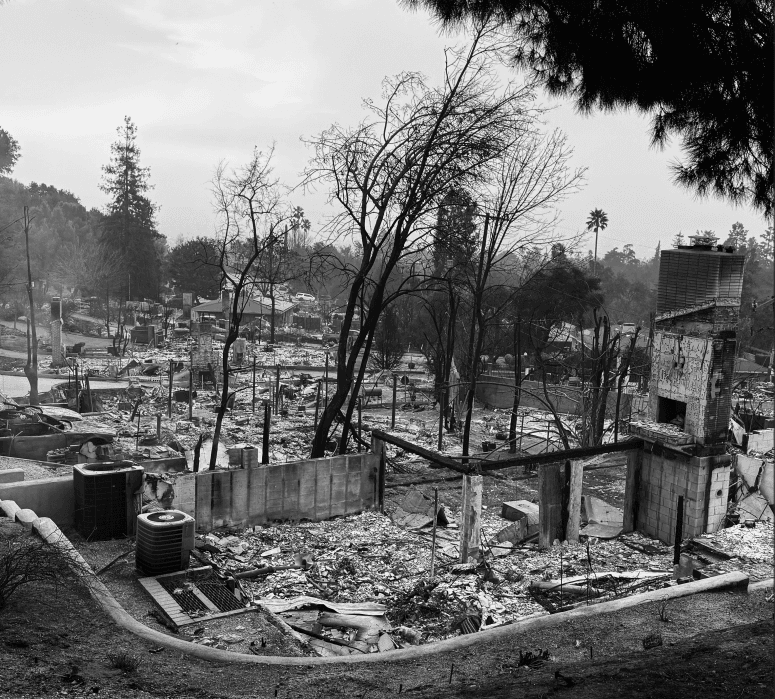
Burned Twice: Insurance Collusion Is Compounding the Wildfire Crisis
After the January 2025 Los Angeles wildfires, survivors faced a second crisis: canceled policies, rising premiums, and rebuilding obstacles. This article explores whether insurers’ synchronized pullbacks and shared risk tools could amount to unlawful collusion under California and federal law.
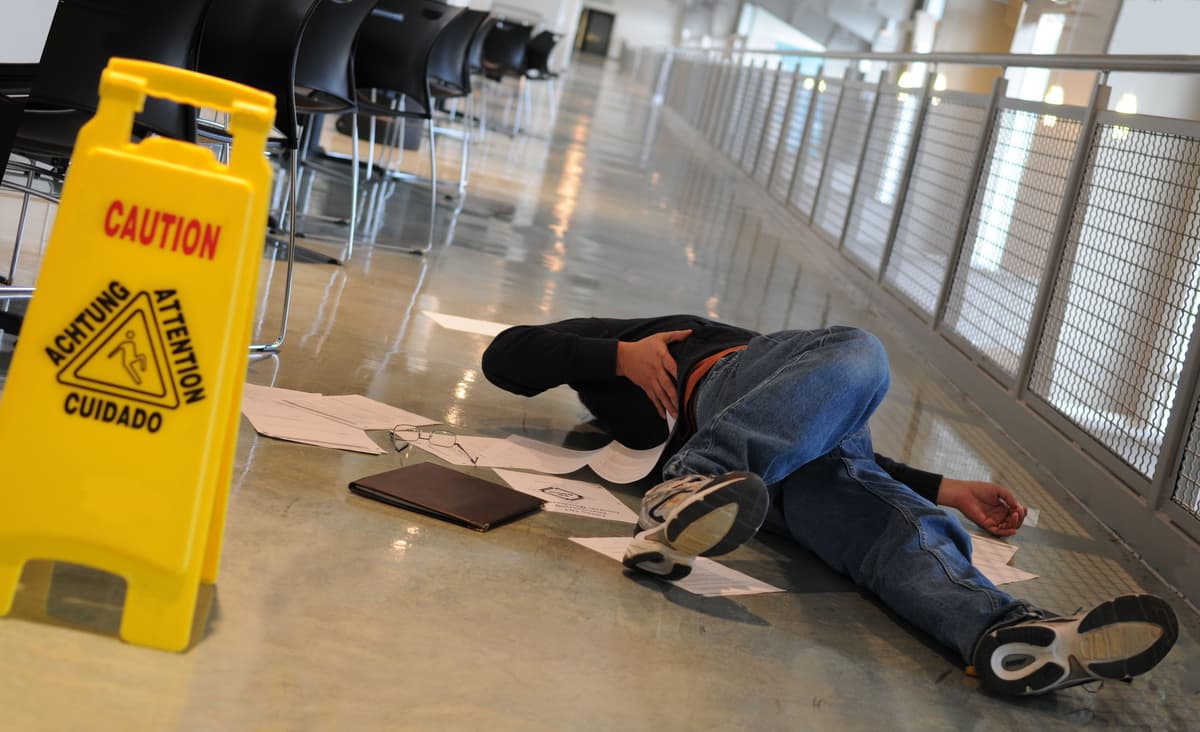
Slip and Fall Injuries in Los Angeles: How Negligence Is Proven in Premises Liability Cases
Slip and fall injuries are often treated like minor accidents, but many are caused by preventable hazards. Understanding how California premises liability law works—and what it takes to prove negligence—can help injured victims protect their health, finances, and legal rights.

Concussion Symptoms After an Accident: Why Head Injuries Should Never Be Ignored
Concussions are often misunderstood as minor injuries, but the truth is that symptoms can appear gradually and worsen over time. Understanding how concussion injuries work, why documentation matters, and how California personal injury claims address head trauma can help victims protect their health and their rights.
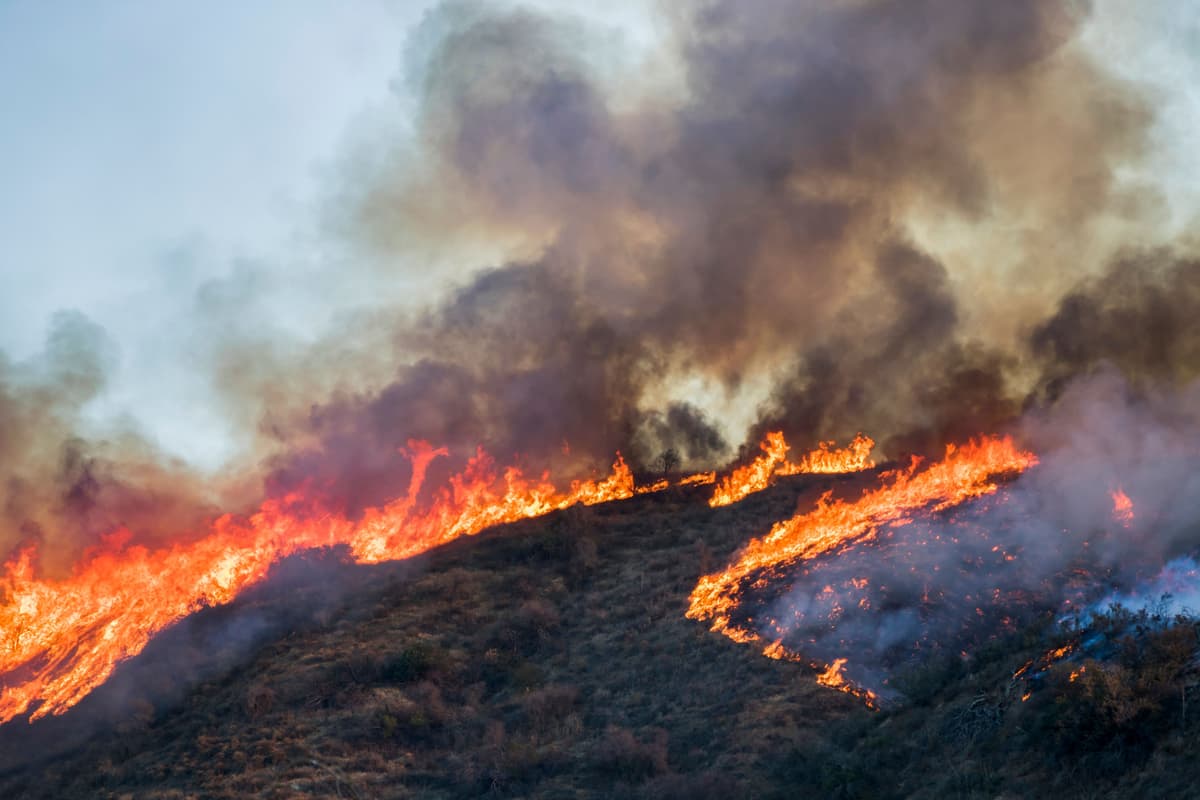
The Woolsey Fire: Understanding Legal Accountability After a Devastating Wildfire
The Woolsey Fire left a lasting mark on Southern California, destroying homes, displacing families, and reshaping conversations around wildfire responsibility. For victims, understanding legal accountability became a critical part of recovery.
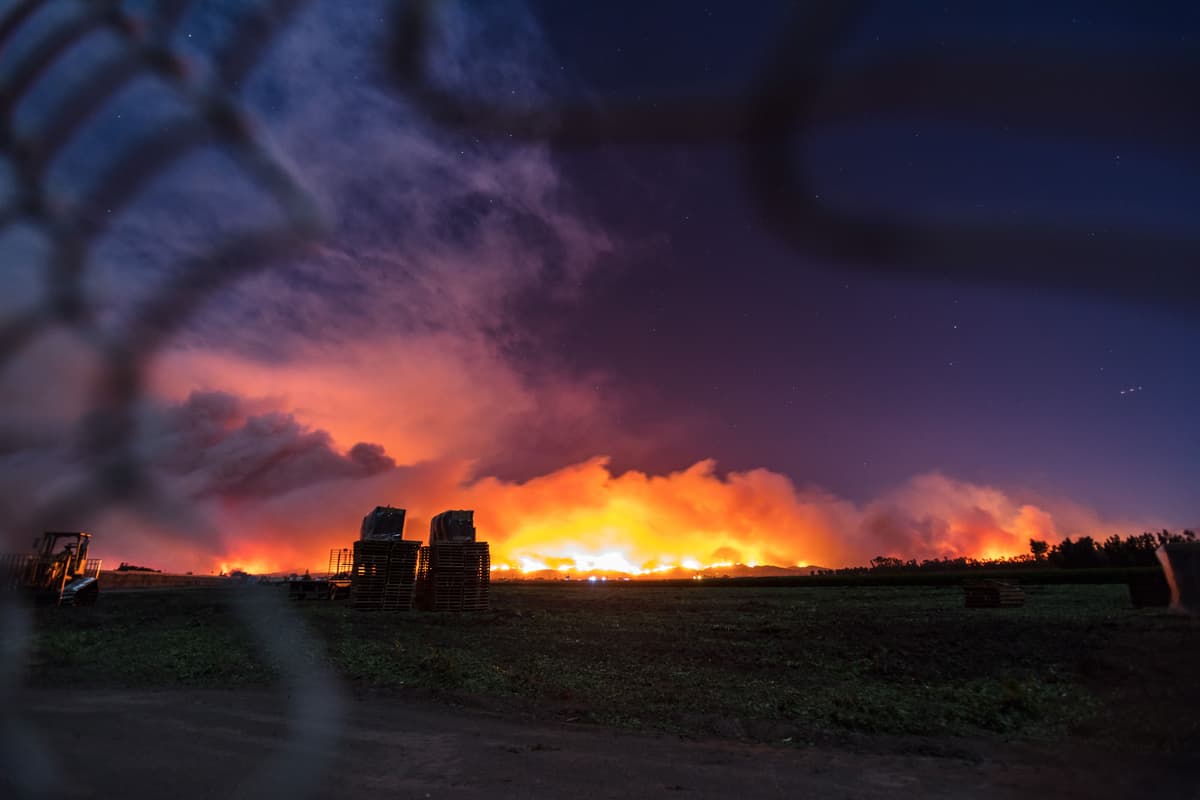
The Thomas Fire: Legal Accountability After a Historic California Wildfire
The Thomas Fire was one of the largest and most destructive wildfires in California history. Beyond the physical devastation, it became a turning point in how wildfire responsibility, liability, and large-scale disaster litigation are addressed.
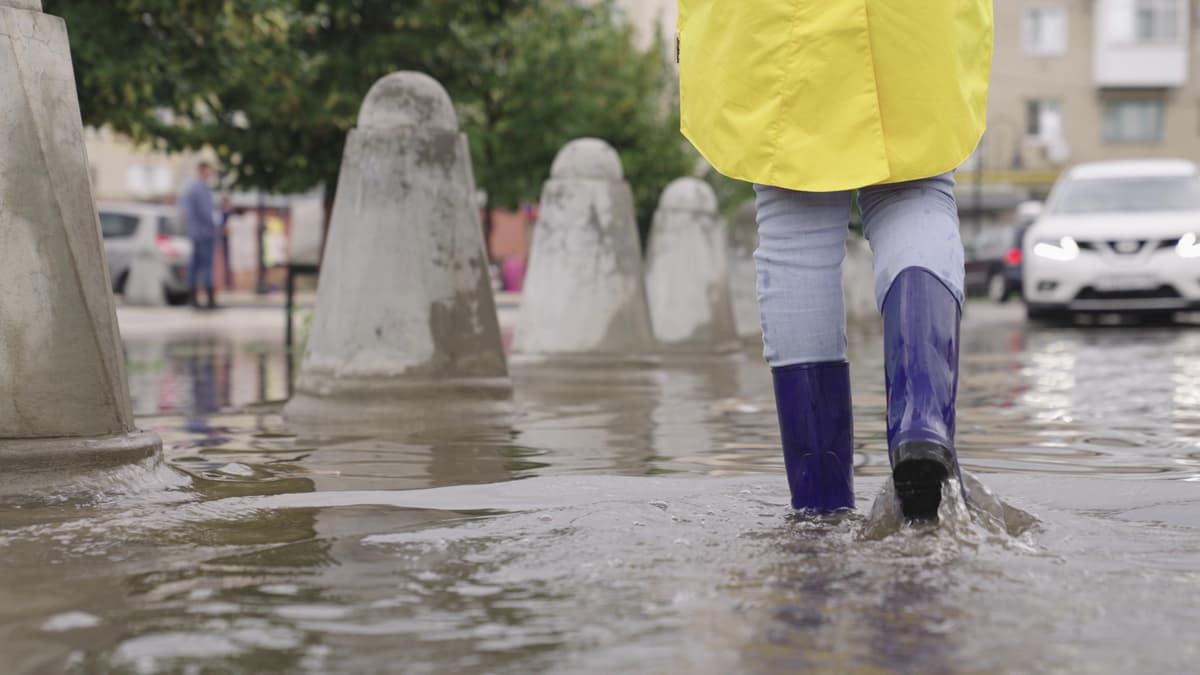
San Diego Floods (2024): When Infrastructure Failure Turns Into a Legal Crisis
The 2024 San Diego floods exposed serious infrastructure failures that left homes and businesses underwater. As recovery began, questions of responsibility and accountability became central for affected communities.