

Millions of Americans take prescription medications every day with the expectation that these drugs are safe, effective, and backed by transparent scientific research. Unfortunately, many medications reach the market with hidden dangers—risks that manufacturers either minimize or fail to disclose entirely. When companies withhold critical safety information, patients suffer injuries that could have been prevented through proper warnings. This is where pharmaceutical litigation plays a crucial role.
How Dangerous Drug Side Effects Are Hidden
Pharmaceutical companies are legally obligated to disclose side effects discovered during testing, clinical trials, and post-market surveillance. However, the industry has a long history of placing profit above patient safety.
Some of the most common ways risks are concealed include:
- Withholding or delaying clinical trial data showing harmful side effects
- Using marketing materials that highlight benefits while downplaying risks
- Targeting doctors with misleading promotional information
- Failing to conduct adequate long-term studies
- Continuing aggressive sales even after red flags appear
Many of today’s widely litigated drugs—including certain diabetes medications, antidepressants, weight-loss drugs, anticoagulants, and heartburn medications—became the subject of lawsuits only after years of accumulating reports of severe injury.
What Counts as a Failure to Warn
Drug manufacturers must warn doctors and patients about known and reasonably discoverable dangers associated with their products. Failure-to-warn claims arise when companies:
- Provide inadequate labeling
- Omit important warnings about severe or life-threatening risks
- Fail to update labels after new dangers become known
- Use misleading advertising that creates a false sense of safety
A failure-to-warn case does not require proving that the company intended harm—it requires showing that the manufacturer did not disclose risks they knew or should have known.
Serious Injuries Linked to Dangerous Drugs
When a drug has undisclosed or insufficiently disclosed risks, the consequences can be devastating. Common injuries seen in pharmaceutical litigation include:
- Heart attacks, stroke, and blood clots
- Liver, kidney, or heart damage
- Severe gastrointestinal bleeding
- Neurological injuries and movement disorders
- Infections or compromised immune response
- Permanent disability or chronic health complications
Many patients develop symptoms gradually, without realizing their medication may be the cause.
Why Pharmaceutical Litigation Is Complex
Suing a pharmaceutical company is not like bringing a standard injury claim. These cases require deep scientific analysis and access to experts who can evaluate clinical data, adverse event reports, and chemical design issues.
Litigation is complex because:
- FDA approval does not shield manufacturers from liability
- Drug companies hire large defense teams to protect profits
- Proving causation requires medical and scientific evidence
- Manufacturers often argue injuries were caused by underlying conditions
For victims, navigating this alone is nearly impossible. Specialized legal teams are essential to uncover internal documents, expose concealment, and link injuries to dangerous drugs.
Compensation Available to Victims
Patients harmed by dangerous medications may be entitled to recover:
- Medical bills and cost of future treatment
- Loss of wages or reduced earning capacity
- Pain and suffering
- Disability or diminished quality of life
- Wrongful death damages for surviving families
- Punitive damages when manufacturers acted with reckless disregard for safety
This compensation helps patients rebuild their lives and holds pharmaceutical companies accountable.
How ELL Represents Victims of Dangerous Drugs
Engstrom, Lipscomb & Lack has decades of experience in pharmaceutical litigation, mass torts, and complex product liability cases. Our firm partners with leading medical specialists, pharmacologists, and scientific experts to build strong claims on behalf of injured patients.
We dig deeply into drug safety data, corporate communications, and FDA submissions to expose failures in testing, transparency, and consumer protection. Because we work on a contingency fee basis, clients pay nothing unless compensation is recovered.
What Patients Should Do If They Suspect a Drug Injury
If you believe a medication caused harm, take these steps:
- Do not stop the medication abruptly—consult your doctor first.
- Preserve the medication packaging, inserts, and receipts.
- Document all symptoms and treatments, especially new or worsening issues.
- Request copies of your medical records and diagnostic findings.
- Contact an attorney early before evidence becomes difficult to obtain.
Prompt action helps preserve your rights and strengthens your potential claim.
If you or a loved one suffered serious side effects from a prescription drug, you may be entitled to compensation. Engstrom, Lipscomb & Lack can evaluate your case, investigate the manufacturer’s failures, and help you pursue justice. Contact our team today to discuss your legal options.
you might also like
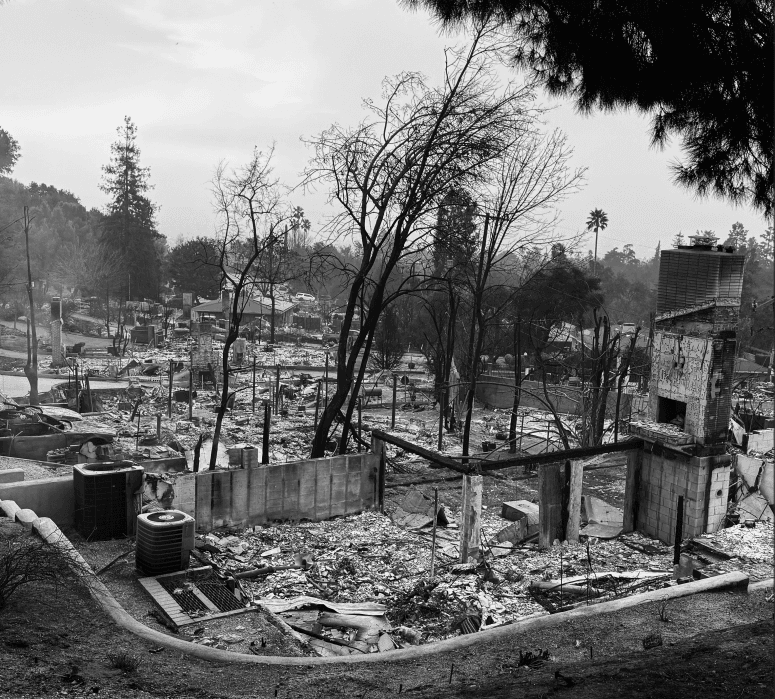
Burned Twice: Insurance Collusion Is Compounding the Wildfire Crisis
After the January 2025 Los Angeles wildfires, survivors faced a second crisis: canceled policies, rising premiums, and rebuilding obstacles. This article explores whether insurers’ synchronized pullbacks and shared risk tools could amount to unlawful collusion under California and federal law.

Slip and Fall Injuries in Los Angeles: How Negligence Is Proven in Premises Liability Cases
Slip and fall injuries are often treated like minor accidents, but many are caused by preventable hazards. Understanding how California premises liability law works—and what it takes to prove negligence—can help injured victims protect their health, finances, and legal rights.

Concussion Symptoms After an Accident: Why Head Injuries Should Never Be Ignored
Concussions are often misunderstood as minor injuries, but the truth is that symptoms can appear gradually and worsen over time. Understanding how concussion injuries work, why documentation matters, and how California personal injury claims address head trauma can help victims protect their health and their rights.

The Woolsey Fire: Understanding Legal Accountability After a Devastating Wildfire
The Woolsey Fire left a lasting mark on Southern California, destroying homes, displacing families, and reshaping conversations around wildfire responsibility. For victims, understanding legal accountability became a critical part of recovery.
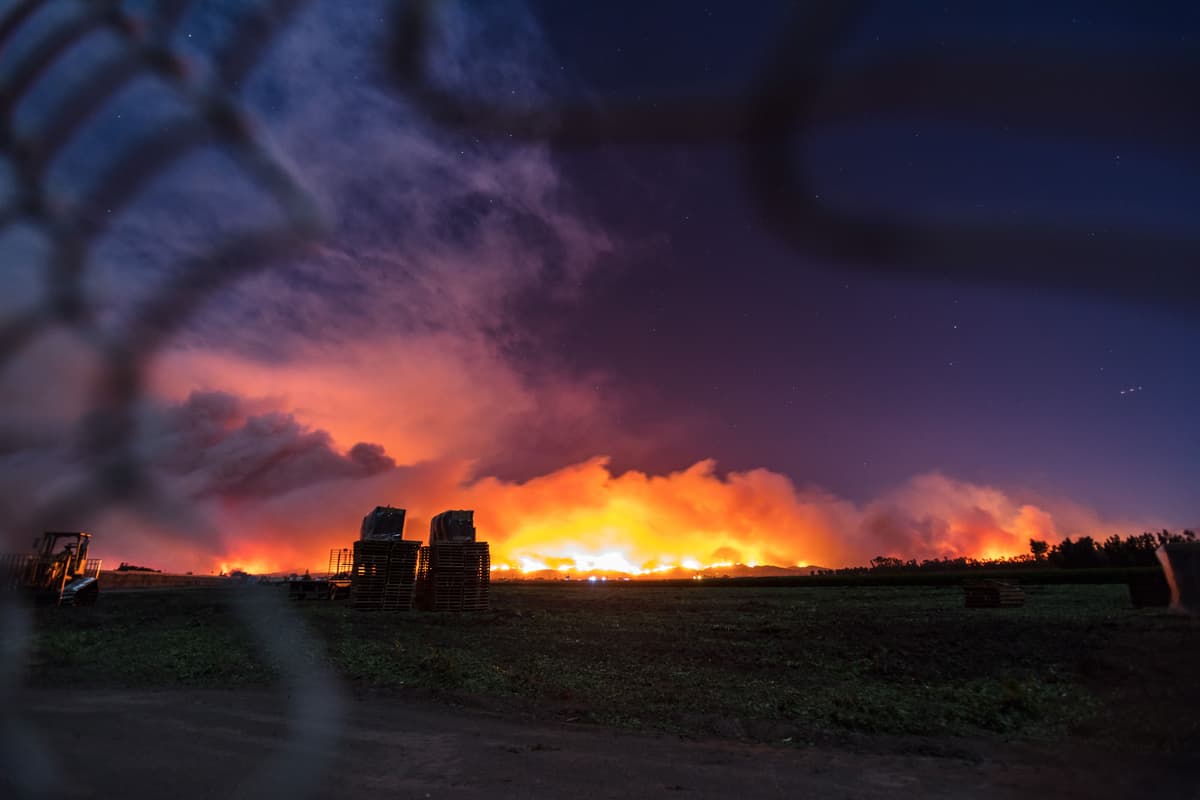
The Thomas Fire: Legal Accountability After a Historic California Wildfire
The Thomas Fire was one of the largest and most destructive wildfires in California history. Beyond the physical devastation, it became a turning point in how wildfire responsibility, liability, and large-scale disaster litigation are addressed.

San Diego Floods (2024): When Infrastructure Failure Turns Into a Legal Crisis
The 2024 San Diego floods exposed serious infrastructure failures that left homes and businesses underwater. As recovery began, questions of responsibility and accountability became central for affected communities.