
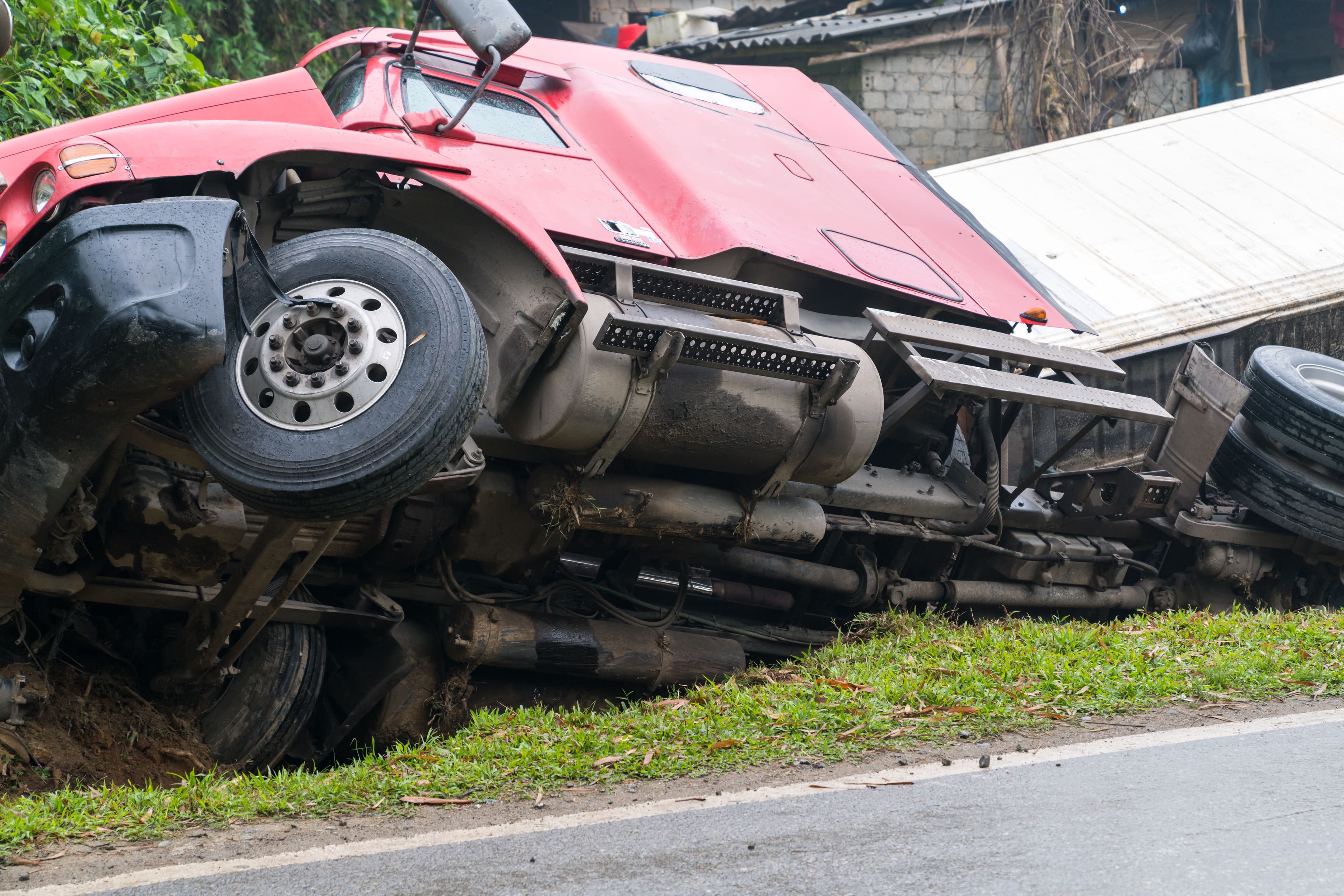
Commercial truck accidents are among the most devastating collisions on the road. With vehicles that can weigh up to 80,000 pounds, even a low-speed impact can cause catastrophic injuries. Victims are often left facing long-term medical treatment, lost income, and years of recovery. Because trucking companies and their insurers move quickly to protect their interests, it is critical for victims to understand the unique challenges involved in these cases.
Why Truck Accidents Cause Catastrophic Harm
Unlike standard passenger vehicles, commercial trucks take longer to stop, have wide turning radiuses, and contain massive blind spots. When a truck driver loses control, the outcome is almost always severe. Large trucks also carry hazardous cargo, creating risks of chemical exposure, explosions, or fires in the event of a crash.
The sheer force of impact means these collisions frequently lead to traumatic brain injuries, spinal cord damage, internal injuries, and wrongful death. Survivors often experience life-changing physical and emotional consequences.
Common Causes of Commercial Truck Accidents
Most trucking accidents can be traced to preventable safety failures:
Driver fatigue. Federal Hours-of-Service rules are designed to limit driver exhaustion, yet violations remain common. Fatigued drivers have slower reaction times and impaired judgment.
Distracted driving. Cell phone use, GPS adjustments, and onboard computer interactions contribute to many crashes.
Drug or alcohol use. Impaired driving in commercial vehicles carries extreme danger.
Improper loading. Unbalanced or unsecured cargo can shift during transit, causing rollovers or jackknife accidents.
Mechanical defects. Brake failure, worn tires, and malfunctioning steering systems are frequent causes of major collisions.
Poor fleet maintenance. Trucking companies sometimes skip inspections or delay necessary repairs to keep vehicles on the road.
Negligent hiring and inadequate training. Some companies place unqualified or inexperienced drivers behind the wheel simply to meet delivery schedules.
Each of these issues increases the likelihood of a serious crash.
Liability in Trucking Accidents
Determining liability in a trucking accident is far more complex than in a standard car crash. Multiple parties may be responsible, including:
- The truck driver
- The trucking company
- Freight loading providers
- Maintenance contractors
- Manufacturers of defective parts
- Companies leasing the truck or trailer
Investigating a truck accident requires reviewing driver logbooks, black box (ECM) data, dispatch records, maintenance logs, and dash-camera footage. Trucking companies often act quickly to minimize their exposure, making early legal representation essential to preserve evidence.
Injuries Commonly Seen in Trucking Collisions
The severity of these collisions often leads to:
- Traumatic brain injuries
- Spinal cord injuries and paralysis
- Severe fractures and orthopedic trauma
- Internal bleeding and organ injuries
- Permanent disability
- Fatal injuries
These injuries typically require extensive medical care and long-term rehabilitation, and can leave victims unable to return to work.
What Victims May Recover
Victims of trucking accidents may be entitled to full compensation for:
- Medical costs and future treatment needs
- Lost wages and diminished earning capacity
- Pain, suffering, and emotional distress
- Property damage
- Long-term disability
- Wrongful death damages for surviving families
In cases where trucking companies knowingly violated safety regulations, punitive damages may also be available.
How ELL Represents Truck Accident Victims
Engstrom, Lipscomb & Lack has significant experience handling commercial trucking claims. Our team understands Federal Motor Carrier Safety Administration (FMCSA) regulations and how to uncover evidence of company negligence, including falsified logbooks, inadequate driver screening, and poor maintenance practices.
We work with accident reconstruction experts, engineers, and medical specialists to build strong cases on behalf of injured victims. Because we operate on a contingency fee basis, clients do not pay unless we secure compensation.
What Victims Should Do After a Truck Accident
After a trucking collision, victims should:
- Seek immediate medical care.
- Report the accident and obtain police documentation.
- Preserve photos, video, and witness details.
- Avoid speaking with the trucking company’s insurer.
- Contact an attorney quickly to protect evidence.
The sooner an investigation begins, the better the chances of uncovering critical information.
If you or someone you love was injured in a commercial trucking accident, you don’t have to face the aftermath alone. Engstrom, Lipscomb & Lack can help you navigate the legal process, hold negligent parties accountable, and pursue the compensation you deserve. Contact our firm today to discuss your case.
you might also like
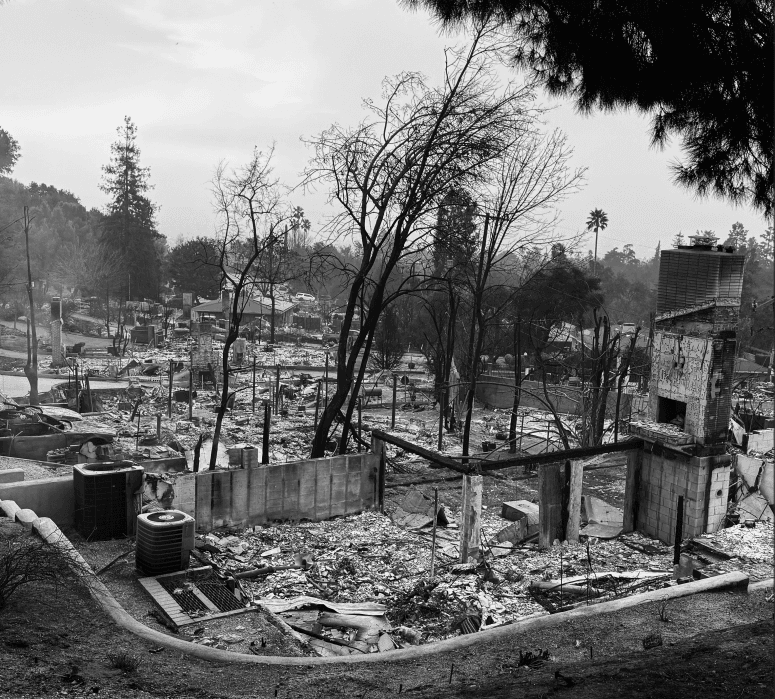
Burned Twice: Insurance Collusion Is Compounding the Wildfire Crisis
After the January 2025 Los Angeles wildfires, survivors faced a second crisis: canceled policies, rising premiums, and rebuilding obstacles. This article explores whether insurers’ synchronized pullbacks and shared risk tools could amount to unlawful collusion under California and federal law.

Slip and Fall Injuries in Los Angeles: How Negligence Is Proven in Premises Liability Cases
Slip and fall injuries are often treated like minor accidents, but many are caused by preventable hazards. Understanding how California premises liability law works—and what it takes to prove negligence—can help injured victims protect their health, finances, and legal rights.

Concussion Symptoms After an Accident: Why Head Injuries Should Never Be Ignored
Concussions are often misunderstood as minor injuries, but the truth is that symptoms can appear gradually and worsen over time. Understanding how concussion injuries work, why documentation matters, and how California personal injury claims address head trauma can help victims protect their health and their rights.

The Woolsey Fire: Understanding Legal Accountability After a Devastating Wildfire
The Woolsey Fire left a lasting mark on Southern California, destroying homes, displacing families, and reshaping conversations around wildfire responsibility. For victims, understanding legal accountability became a critical part of recovery.
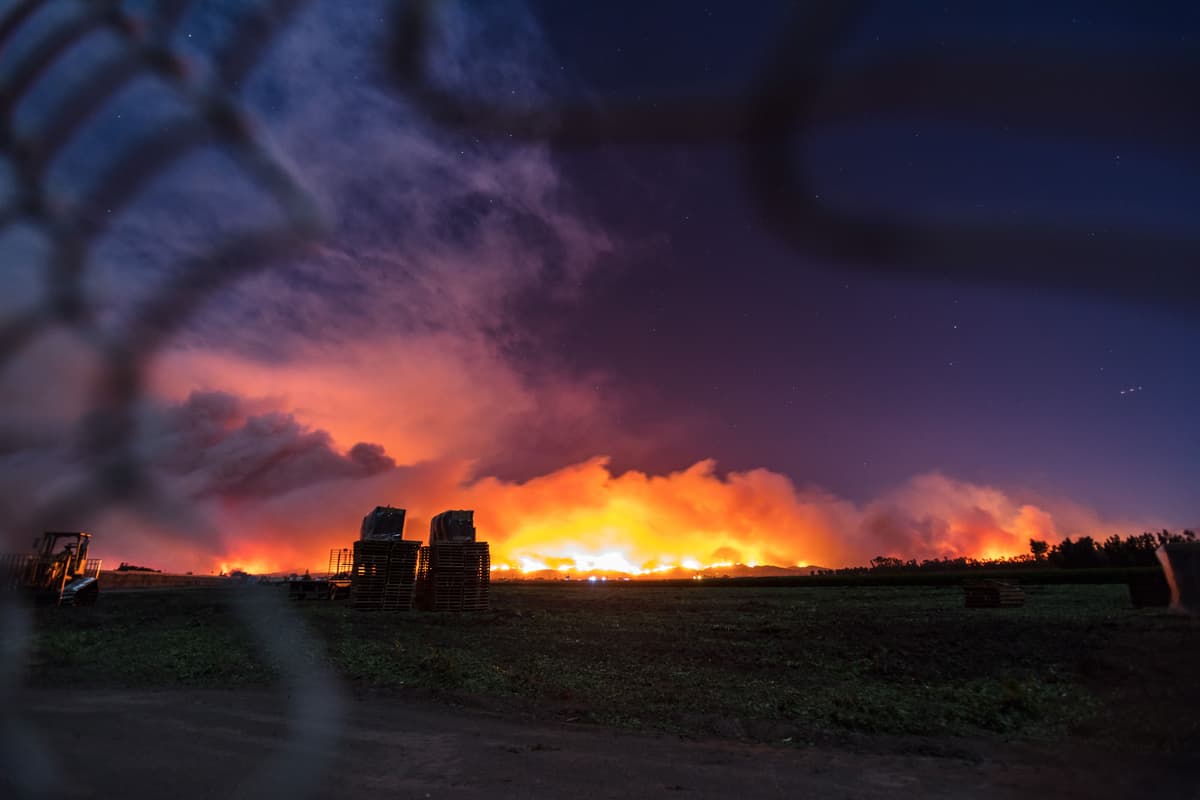
The Thomas Fire: Legal Accountability After a Historic California Wildfire
The Thomas Fire was one of the largest and most destructive wildfires in California history. Beyond the physical devastation, it became a turning point in how wildfire responsibility, liability, and large-scale disaster litigation are addressed.

San Diego Floods (2024): When Infrastructure Failure Turns Into a Legal Crisis
The 2024 San Diego floods exposed serious infrastructure failures that left homes and businesses underwater. As recovery began, questions of responsibility and accountability became central for affected communities.