

Aircraft maintenance is one of the most critical pillars of aviation safety. Every commercial flight, private aircraft, and charter operation relies on rigorous inspections and expert repairs to ensure an aircraft is safe for flight. When maintenance breaks down—whether through oversight, rushed work, or improper procedures—the consequences can be catastrophic. Many aviation accidents that appear sudden or unpredictable are later revealed to be preventable mechanical failures tied directly to negligent maintenance.
Common Types of Aircraft Maintenance Failures
Maintenance failures occur in many ways, often involving multiple points of negligence. Among the most common issues identified in accident investigations are:
Missed or skipped inspections. When critical maintenance intervals are ignored or shortened, worn-down parts remain in service far longer than intended. These failures frequently involve components like turbines, sensors, and hydraulic systems.
Improper or uncertified repairs. Aviation maintenance requires strict adherence to FAA procedures. When repairs are done incorrectly—or by unqualified personnel—the risk of in-flight failure increases dramatically.
Faulty installation of replacement parts. Even a small misalignment or improper torque can compromise components vital to flight stability and engine performance.
Failure to replace life-limited parts. Airframes and engines include components that must be replaced after a certain number of hours or cycles. Continuing to operate beyond those limits is extremely dangerous.
Incomplete or inaccurate maintenance logs. Aviation regulations require precise documentation. Missing entries, altered logs, or rushed recordkeeping often indicate deeper systemic issues.
Any one of these failures can jeopardize the safety of everyone on board.
How Maintenance Failures Lead to Aviation Accidents
Maintenance issues often create a cascade of mechanical problems. Some of the most dangerous outcomes include:
- Engine failure due to improper repairs or overdue part replacement
- Loss of flight controls caused by faulty cables, sensors, or hydraulic issues
- Fuel system malfunctions from contamination or neglected maintenance
- Landing gear issues resulting from poor inspection or wear-related defects
- Electrical failures that disrupt navigation, communications, or cockpit readings
Many NTSB investigations show that accidents initially attributed to “pilot error” were actually triggered by maintenance failures that produced sudden mechanical emergencies.
Why Aircraft Maintenance Cases Are Legally Complex
Aviation litigation requires a deep understanding of federal regulations, engineering principles, and industry-specific standards. Maintenance-related cases are especially complex because they often involve:
- FAA regulations under Part 91, Part 135, or Part 121
- Multiple responsible parties, including operators, maintenance contractors, and parts manufacturers
- Highly detailed aircraft maintenance logs and inspection records
- Expert analysis of black box data, component failures, and mechanical systems
Proving that an accident resulted from negligent maintenance requires the ability to interpret technical evidence and challenge well-resourced aviation companies. Families should never attempt to navigate this process alone or rely on the operator’s insurance for answers.
Compensation Available to Victims and Families
When maintenance negligence leads to an aviation accident, victims may recover damages for:
- Medical expenses and future care needs
- Lost income and diminished earning capacity
- Permanent disability
- Pain and suffering
- Wrongful death damages for surviving families
- Punitive damages in cases of extreme misconduct
These claims are not only about compensation—they hold negligent operators accountable and help prevent future tragedies.
ELL Law’s Experience in Aviation Negligence Cases
With decades of litigation experience, Engstrom, Lipscomb & Lack has handled complex aviation cases involving maintenance failures, defective components, and operator negligence. Our firm works with leading aviation engineers, former NTSB investigators, and accident-reconstruction experts to uncover the root cause of crashes and identify all responsible parties.
Aviation companies often attempt to conceal maintenance failures or shift blame onto weather or pilot decisions. Our team is skilled at analyzing maintenance logs, parts histories, and regulatory compliance to reveal the truth.
What Victims Should Do After a Suspected Maintenance-Related Accident
Anyone affected by an aviation accident should act quickly to ensure important evidence is preserved. Avoid speaking with the airline’s insurance representatives or signing documents without legal advice. Aviation operators move fast to protect themselves, and victims deserve the same level of representation and support.
If you or your family have been affected by an aviation accident and suspect maintenance played a role, Engstrom, Lipscomb & Lack is prepared to help. Contact our firm today for a free consultation and learn how our experienced aviation litigation team can protect your rights and seek justice on your behalf.
you might also like
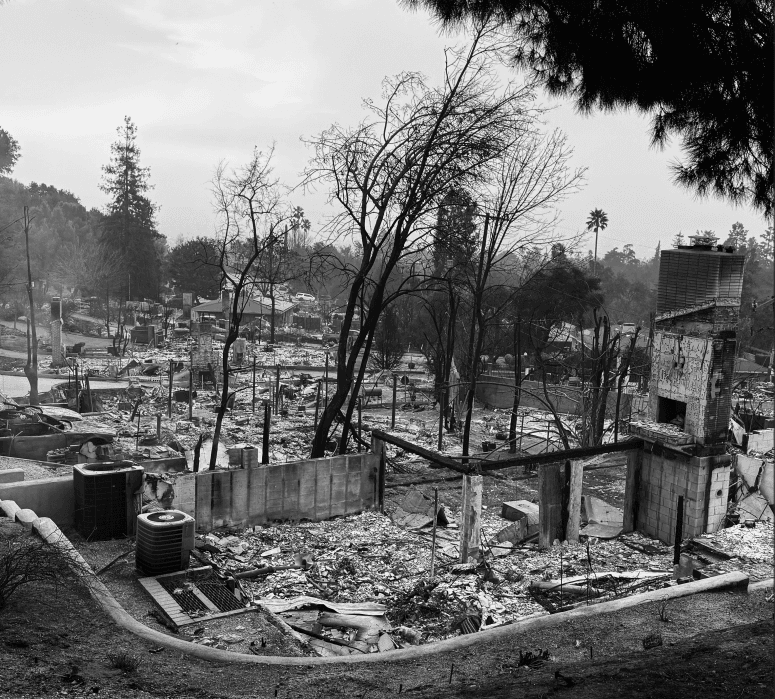
Burned Twice: Insurance Collusion Is Compounding the Wildfire Crisis
After the January 2025 Los Angeles wildfires, survivors faced a second crisis: canceled policies, rising premiums, and rebuilding obstacles. This article explores whether insurers’ synchronized pullbacks and shared risk tools could amount to unlawful collusion under California and federal law.

Slip and Fall Injuries in Los Angeles: How Negligence Is Proven in Premises Liability Cases
Slip and fall injuries are often treated like minor accidents, but many are caused by preventable hazards. Understanding how California premises liability law works—and what it takes to prove negligence—can help injured victims protect their health, finances, and legal rights.

Concussion Symptoms After an Accident: Why Head Injuries Should Never Be Ignored
Concussions are often misunderstood as minor injuries, but the truth is that symptoms can appear gradually and worsen over time. Understanding how concussion injuries work, why documentation matters, and how California personal injury claims address head trauma can help victims protect their health and their rights.
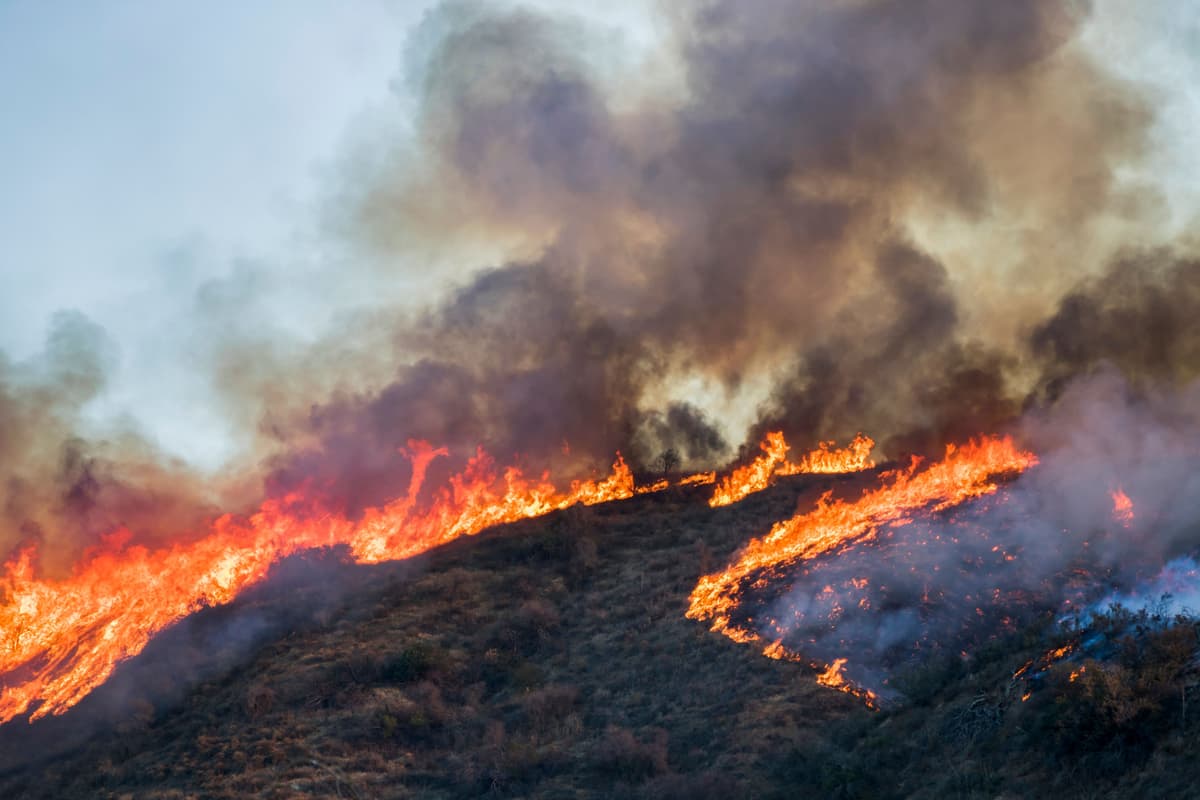
The Woolsey Fire: Understanding Legal Accountability After a Devastating Wildfire
The Woolsey Fire left a lasting mark on Southern California, destroying homes, displacing families, and reshaping conversations around wildfire responsibility. For victims, understanding legal accountability became a critical part of recovery.
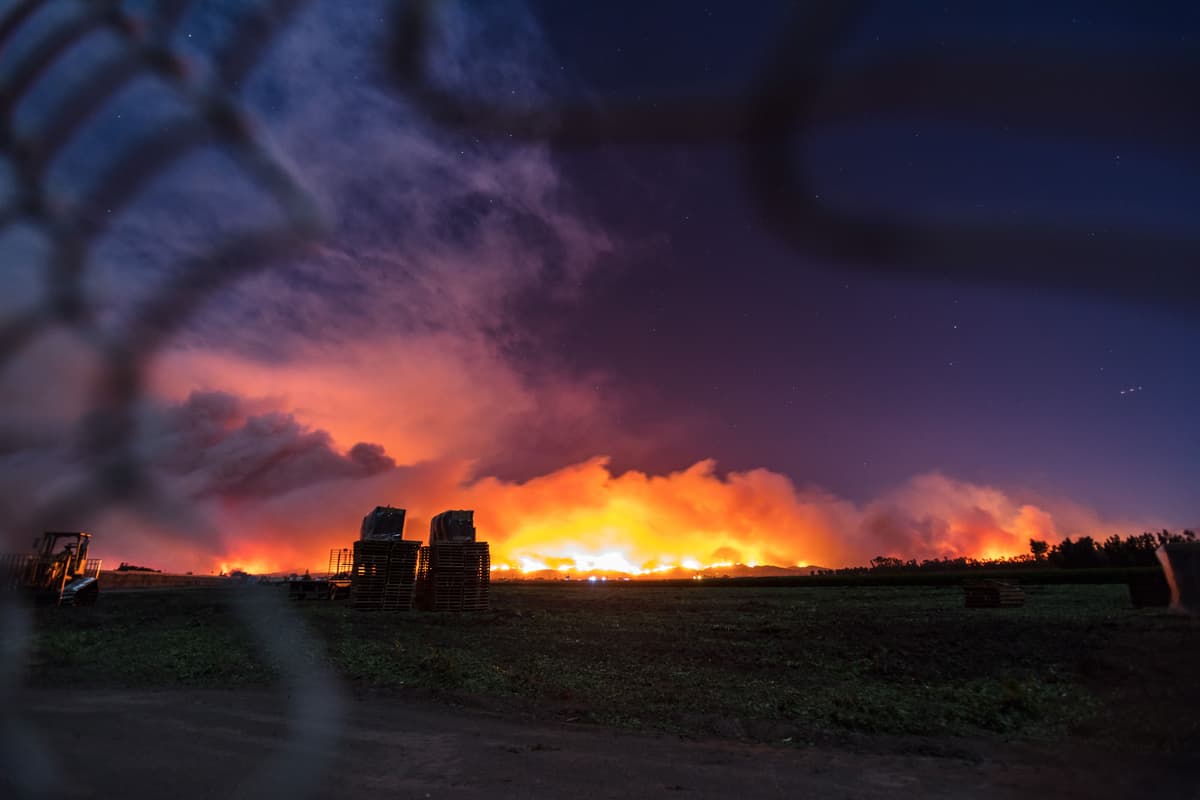
The Thomas Fire: Legal Accountability After a Historic California Wildfire
The Thomas Fire was one of the largest and most destructive wildfires in California history. Beyond the physical devastation, it became a turning point in how wildfire responsibility, liability, and large-scale disaster litigation are addressed.

San Diego Floods (2024): When Infrastructure Failure Turns Into a Legal Crisis
The 2024 San Diego floods exposed serious infrastructure failures that left homes and businesses underwater. As recovery began, questions of responsibility and accountability became central for affected communities.